

What is a Dental Crown?
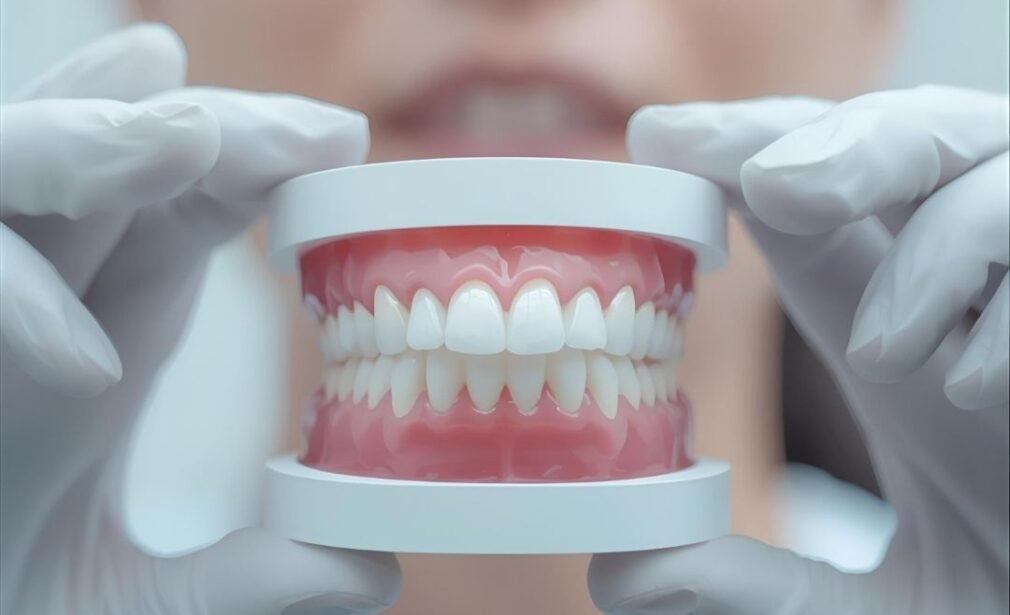
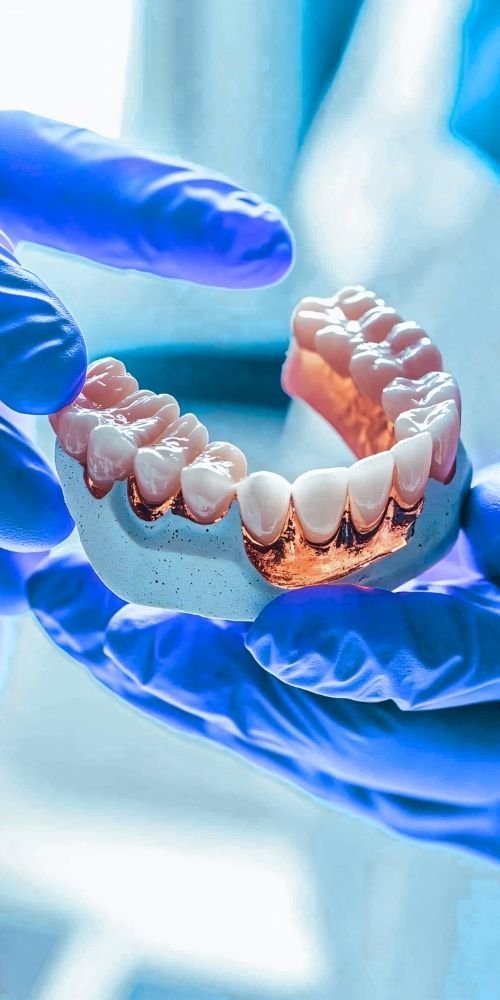
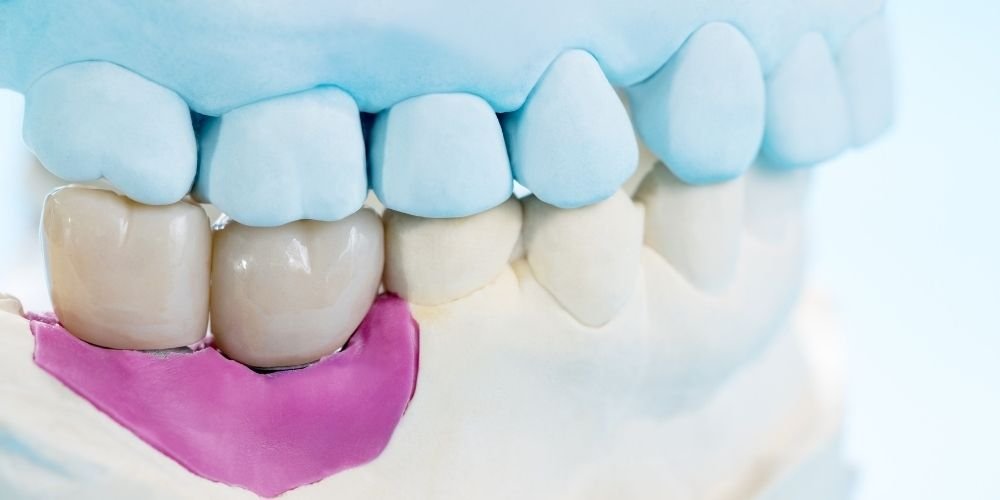
A dental crown is a type of fixed prosthesis, colloquially called a “crown”, that wraps around the natural tooth like a sheath. Veneers can be used to protect a weakened tooth, to strengthen a broken tooth or a tooth with a large filling, to regulate the shape and color of a deformed tooth, or to give a tooth appearance on an implant.
In order to make a veneer, the tooth must be reduced to a certain extent (preparation) to make room for the prosthesis around it. The veneer produced in the laboratory is bonded onto this prepared tooth. The material used can be metal-backed porcelain, zirconium-based porcelain or full ceramic. Which material to choose is evaluated by the dentist according to the position of the tooth, chewing strength, aesthetic expectation and existing tooth structure.
In addition to Zirconium, Other Common Types of Veneers
Along with zirconium veneers, there are other types of fixed veneers that are commonly used in dental practice. Each material can have its own advantages and limitations. The choice of the appropriate material is made on a case-by-case basis.
1. Metal Assisted Porcelain Veneers
In this system, there is a metal substructure inside the veneer and a tooth-colored porcelain layer on the outer surface. It has been used for many years, especially in the posterior region, on teeth exposed to high chewing forces. Aesthetically, it can offer a more opaque appearance than zirconium and full ceramic systems. In people with receding gums or high smile line, the appearance of a gray line on the gum edge over time may be aesthetically undesirable in some cases.
2. Full Ceramic / Full Ceramic Coatings
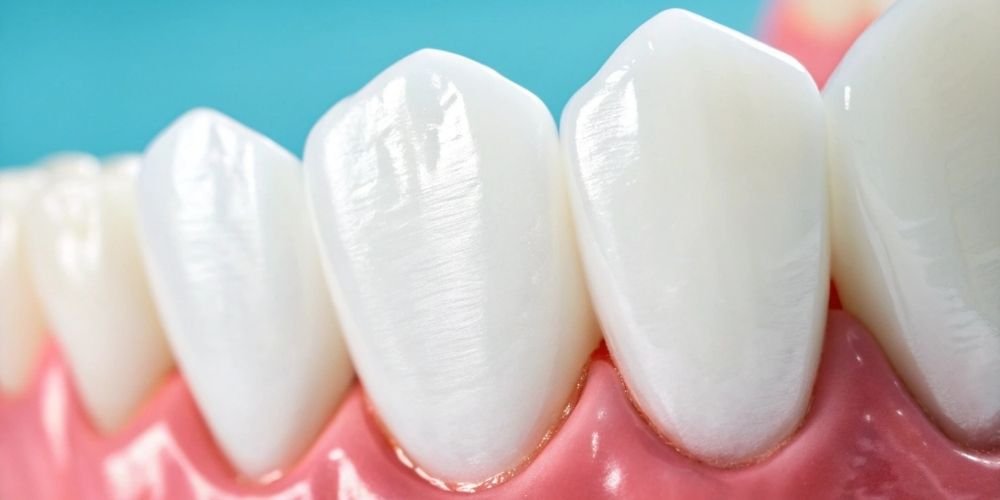
All-ceramic veneers are aesthetic-oriented systems in which only ceramic material is used instead of metal or zirconium. They are an important option in the aesthetics of the anterior region because they offer the closest light transmission to nature. However, it may not be suitable for every case; especially in cases with high chewing forces in the posterior region, the material selection is carefully made by the dentist.
3. Lamina (Leaf Porcelain) Applications
Lamina veneers are systems in which thin porcelain sheets are bonded to the teeth by removing only minimal material from the front surface of the tooth. It is mostly evaluated for aesthetic reasons such as deformities, discoloration and gaps between teeth. The appropriateness of this treatment depends on factors such as the patient's bite style, clenching habits, the current structure of the teeth and the level of expectation.
How Does the Treatment Process Progress in Zirconium and Other Veneers?
Veneer treatment generally consists of several stages, depending on the condition of the tooth and the type of prosthesis planned. The steps shared below describe the general framework of the process and may not proceed in exactly the same way for each patient.
1. Examination, X-ray and Treatment Planning
In the first step, the dentist evaluates the decay status of the teeth, old fillings, fractures, gum health and bite. When necessary, the root and bone structure is also checked by radiographic examination. After these evaluations, it is determined which teeth will be planned for veneers, how many members will be bridged, which material may be more suitable and the necessary treatments (root canal treatment, filling, gum arrangement, etc.).
2. Preliminary Preparation and Necessary Treatments
Before veneers, it is important to treat any active decay, advanced gum disease or abscesses on the teeth. Some teeth may require root canal treatment. In cases where gum levels are incompatible, gum contouring can be planned for aesthetics and function. Thus, a healthier and long-lasting ground is prepared for veneers.
3. Preparation of the Tooth and Temporary Veneers
The teeth planned for veneers are reduced in size to allow the prosthesis to fit around them. This procedure is performed under local anesthesia. After the teeth are prepared, the impressions are sent to the laboratory. In the same session, temporary veneers can be prepared and placed on the teeth to prevent the teeth from being exposed and to reduce sensitivity.
4. Laboratory Process (Infrastructure and Superstructure Phases)
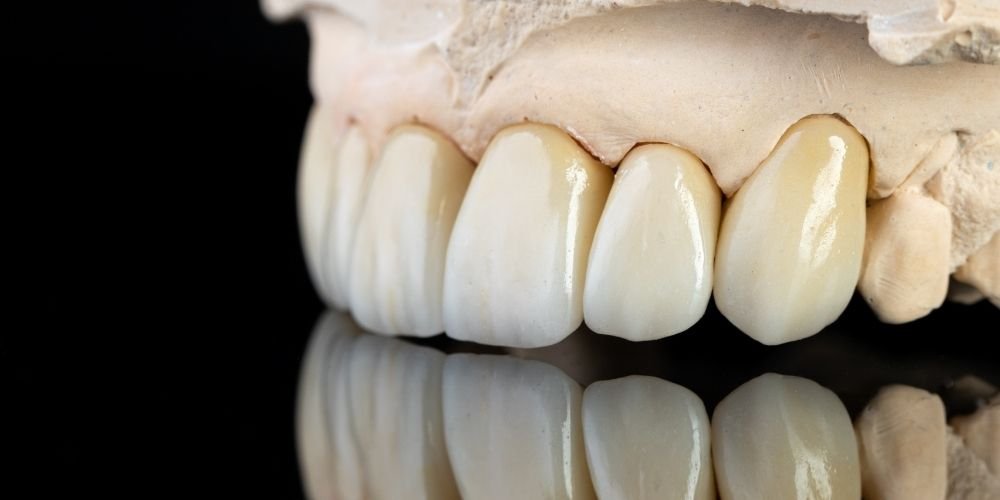
In line with the measurements taken, the substructure (metal or zirconium) is first prepared in the laboratory. In the trial phase, the fit of this substructure to the tooth, edge harmonization and bite relationship are checked. Then, porcelain or ceramic layers are added to give the final shape and color. In some cases, interim sessions may be scheduled for aesthetic rehearsal.
5. Rehearsal and Bonding of the Veneer in the Mouth
The prepared crown or bridge prosthesis is rehearsed in the mouth and its compatibility with the gums, closure and aesthetic appearance are evaluated. After the necessary corrections are made, it is permanently fixed to the tooth with appropriate bonding materials. During bonding, cleaning procedures are carried out carefully so that no excess cement remains under the prosthesis.
6. Controls and Acclimatization
In the first few days of veneering, there may be a slight feeling of “unfamiliarity” or a change in chewing habits. This feeling usually subsides in a short time. In the early days, if there are high spots, places that get stuck during speech or a feeling of pressure on the gums, small corrections can be made by contacting the dentist. Following the treatment, it is important to attend follow-up appointments at regular intervals to maintain the health of both the crown and the gums.
 Turkish
  English