
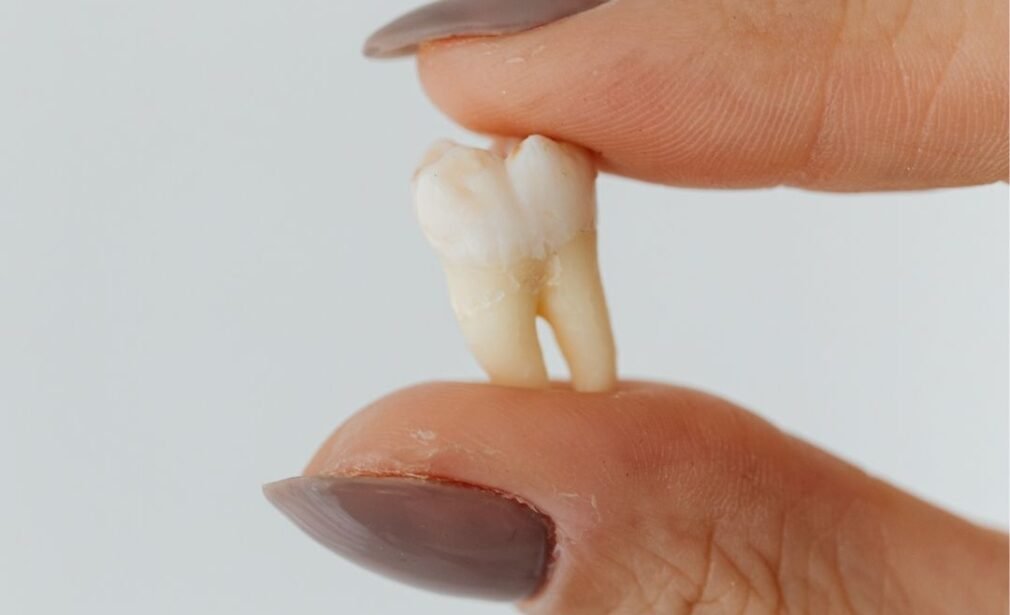
Tooth Extraction (Simple and Surgical)
Information Page for Bağcılar Yüzyıl Mahallesi and Surroundings
Tooth extraction is the process of removing one of the teeth in the mouth for various reasons. It is not always the first choice method; however, it may be considered in cases where the tooth has become irreparable, poses a risk to oral and general health, or is not suitable to remain in the mouth for orthodontic/prosthetic reasons. This page contains detailed information about what tooth extraction is, in which cases it can be considered, simple and surgical extraction processes and points to be considered after the procedure.
Note In accordance with current health promotion and information legislation, this content may only be used for for information purposes It is not intended as an advertisement, campaign or referral to treatment. The diagnosis and treatment plan is determined individually after the dental examination.
What is Tooth Extraction?
Tooth extraction is the process of removing a tooth from its socket (alveolus) in the jawbone. The main goal in dental practice is to keep the tooth in the mouth as long as possible and to keep it in the mouth with preventive/repair treatments. However, in some cases, keeping the tooth in the mouth may not be possible and may pose a risk to surrounding tissues and general health. In such cases, tooth extraction is considered as part of the treatment process.
Tooth extraction simple shooting and surgical extraction can be roughly divided into two groups. In simple extraction, the tooth is usually visible in the mouth and is shaken out of its socket with special hand tools. In surgical extraction, it may be necessary to perform minor surgical interventions on the soft tissue around the tooth and, if necessary, on the bone for reasons such as the tooth being impacted, the fracture level being under the gum or the root structure being complex.
In which cases can tooth extraction be considered?
The decision to extract a tooth should be a process in which tooth extraction is considered as a last resort. The dentist first considers preventive or restorative treatment options such as fillings, root canal treatment and crowns. However, tooth extraction may be necessary in the following cases:
- Advanced caries: Cases where a large part of the tooth has lost material and restorative treatments will not be sufficient.
- Failed root canal treatment: Recurrent infections, extensive root tip lesions and cases not responding to re-treatment.
- Advanced gum disease (periodontitis): Severe loss of bone and supporting tissues surrounding the tooth.
- Broken teeth Cases where the fracture line is at the root level or under the gum and restoration of the tooth is not possible.
- Impacted or partially impacted wisdom teeth: Impacted teeth that cause problems such as decay, infection, pressure on the adjacent tooth, cyst formation.
- Orthodontic causes: In cases where space needs to be made for braces, some teeth may need to be extracted.
- Preparation for prosthesis: Teeth that need to be extracted for planned denture or implant treatment.
In Bağcılar Yüzyıl Mahallesi and its surroundings, late visits to the dentist for regular dental check-ups or prolonged postponement of toothache can cause some teeth to be damaged to the extent that they can no longer be saved. In such cases, tooth extraction becomes a treatment option to eliminate the source of pain and infection.
What Assessments Are Made Before Tooth Extraction?
Although tooth extraction may seem like a simple procedure, as with any medical intervention, it requires a detailed evaluation beforehand. This evaluation is important for both the safety of the procedure and the healthy progress of the recovery afterwards.
1. Systemic Health and Drug Use
Conditions such as hypertension, diabetes, heart diseases, bleeding disorders, immune system diseases, medications affecting bone metabolism, blood thinners (anticoagulants) must be reported to the dentist. This information is critical to prevent possible complications during and after the extraction.
2. Radiographic Evaluation
The structure and number of tooth roots, root tip curvatures, root tip curvatures, relationship with the jaw bone and lesions in the surrounding tissues, if any, are usually evaluated by periapical or panoramic X-rays. Radiographic examination is an important planning tool, especially for wisdom teeth and impacted teeth.
3. Pregnancy and Special Situations
Non-urgent procedures can often be postponed during pregnancy, but in emergency situations such as pain, infection and generalized inflammation, tooth extraction may be necessary. In this case, the dentist and obstetrician will coordinate with the obstetrician and gynecologist, taking into account the safe timing and choice of medication.
How is Simple Tooth Extraction Performed?
Simple tooth extraction is a procedure in which the tooth can be seen in the mouth and is performed with standard tooth extraction instruments without the need for special surgical intervention. It is usually performed on single-rooted teeth or teeth that are suitable for extraction.
Simple tooth extraction process:
- Local anesthesia: The area to be taken is anesthetized with local anesthesia. This prevents pain during the procedure.
- Loosening of the tooth: “It is loosened by gently lifting it out of the tooth socket with tools called ”elevators".
- Gripping with clamp: The tooth is grasped with a suitable forceps (clamp) and removed from the socket with controlled movements.
- Clot formation: A blood clot forms in the extraction cavity; this clot is a natural and important part of the healing process.
Surgical Tooth Extraction and Impacted Wisdom Teeth
In cases where all or a large part of the tooth remains in the bone or under the gum, classical simple extraction techniques may not be sufficient. Especially in impacted or semi-impacted wisdom teeth, when problems such as infection, pain, pressure on the adjacent tooth, cyst formation around the tooth are observed surgical tooth extraction may come up.
The surgical extraction process in general:
- Local anesthesia application
- Making a small incision in the gum
- Limited removal of bone on the tooth if necessary
- Removing the tooth from its socket in one piece or by splitting it
- Cleaning the extraction site, ensuring clot formation and suturing
The healing process after surgical extraction may be a little longer and more sensitive than simple extraction. For this reason, it is important to follow the recommendations given by the physician for both pain control and wound healing.

Recovery After Tooth Extraction
Healing after tooth extraction is part of the body's natural wound healing process. The blood clot that forms in the extraction cavity protects the bone and nerve endings; over time, this clot is replaced by new tissue formation. Factors such as the type of extraction (simple/surgical), the general health status of the individual, smoking, oral hygiene and compliance with post-extraction recommendations affect the healing time.
Within the first 24 hours, there may be mild pain, tenderness, sometimes limited swelling and slight blood leakage at the extraction site. Swelling and bruising in the facial area may be more pronounced in surgical extractions; these tend to decrease within a few days. Regular use of painkillers and other medications, if any, recommended by the physician will make this process more comfortable.
What Should Be Considered After Tooth Extraction?
Post-extraction care is as important as the extraction itself for a healthy and smooth recovery. The following recommendations can be used to protect the clot, reduce the risk of infection and control pain:
- Clot protection: In the first few hours, not spitting often, not drinking through a straw and not sucking on the extraction site will help to keep the clot in place.
- Avoid hot food and drinks: Avoiding very hot foods and drinks on the first day reduces the risk of the clot breaking down.
- Smoking: Avoiding smoking, especially in the first 24-48 hours, is important for wound healing and clot integrity.
- Use of painkillers: Apart from the medicines recommended by the physician, it is important not to use medicines uncontrolled, especially those that may increase the risk of bleeding (e.g. some painkillers).
- Oral hygiene: Brushing can be continued except for the extraction site; however, the extraction site should be gently protected and should not be in direct contact with the brush on the first day.
- Ice application: In cases where surgery or swelling is expected, intermittent application of ice to the outer cheek area can help reduce swelling.
- Seam care: If stitches have been removed, it is important to keep the appointment for follow-up and removal of stitches at the time specified by the physician.
Possible Problems After Tooth Extraction
As with any medical procedure, some undesirable situations may occur after tooth extraction. These complications do not occur in every patient; however, being informed about the possibility of these complications makes it easier to consult a doctor in a timely manner in case of complaints.
Dry Socket
If the blood clot in the extraction cavity dislodges prematurely or if there is insufficient clot formation, a condition known as “dry socket” may develop. In this case, increased pain, foul odor and sometimes a sensation of pain in the ear may occur a few days after the extraction. Dry socket may be more common in smokers, frequent spitters or in cases where post-extraction recommendations are not followed. Treatment consists of the dentist cleaning the extraction cavity, applying appropriate dressings and prescribing the necessary medication.
Infection and prolonged swelling
Infection may develop in the area after extraction; it is necessary to consult a dentist when symptoms such as increased swelling, redness, restriction in opening the mouth and fever are observed. The dentist can plan antibiotic and inflammation control treatments when necessary.
Bleeding Problems
Mild blood leakage may be considered normal within the first 24 hours; however, in case of non-stop or heavy bleeding, the dentist or relevant medical units should be contacted. This risk is more carefully assessed in people taking blood thinners.
Tooth Extraction Needs in Bağcılar Yüzyıl Neighborhood and Surrounding Areas
Bağcılar is one of the densely populated and vibrant districts of Istanbul. Due to the daily pace of life, work conditions and social intensity of individuals living in and around Yüzyıl Neighborhood, dentist visits may be delayed from time to time. This delay may cause a tooth that can initially be saved with filling or root canal treatment to reach the extraction stage in the future.
Regular dental check-ups help to identify dental problems before pain occurs and to solve them with more conservative treatments. When necessary, tooth extraction can be important in controlling pain and infection, protecting surrounding tissues and preparing the ground for future treatments such as prosthesis, bridge or implant.
Frequently Asked Questions About Tooth Extraction
Is tooth extraction a painful procedure?
Tooth extraction is usually performed under local anesthesia and no pain is expected during the procedure. There may be mild pain or discomfort after the anesthesia wears off; this can usually be controlled with painkillers recommended by the doctor.
When can I eat after tooth extraction?
It is recommended to avoid hot food and drinks until the anesthesia wears off (usually a few hours) and to be careful about the risk of biting your lips and cheeks. It may be more comfortable to prefer softer and warmer foods on the first day in terms of recovery.
Why smoking after tooth extraction is contraindicated?
Smoking can negatively affect blood flow in the extraction site and increase the risk of clot dislodgement. This can lead to painful complications such as dry socket. It is therefore recommended to avoid smoking, especially for the first 24-48 hours.
Is it necessary to use antibiotics after every tooth extraction?
Antibiotic use is not mandatory for every tooth extraction. The need for antibiotics is evaluated by the dentist according to the current infection status, the patient's systemic diseases, immune status and the difficulty of the extraction. Unnecessary antibiotic use is not recommended.
Can tooth extraction be performed during pregnancy?
During pregnancy, unplanned, non-urgent procedures can be postponed if possible; however, if there is severe pain, infection or widespread inflammation, tooth extraction may be considered. In this case, the obstetrician-gynecologist and dentist will make a joint assessment and determine the most appropriate period and treatment plan.
Should the cavity of the extracted tooth be filled?
The loss of teeth, especially in the chewing area, can cause other teeth to shift over time, disrupt chewing balance and cause joint problems. For this reason, the dentist explains to the patient that the cavity of the extracted tooth can be utilized with restorative methods such as bridges, prostheses or implants when deemed appropriate. Which option is appropriate is planned according to the bone condition, the structure of neighboring teeth, general health and expectations.
Important Information: The content on this page is intended to provide general information about tooth extraction and related processes. Since each individual's oral and dental structure, systemic diseases and needs are different, the diagnosis and treatment plan can only be determined after a dental examination. The text has been prepared in accordance with the current legislation on promotional and informational activities in health services, without advertising and guidance.