
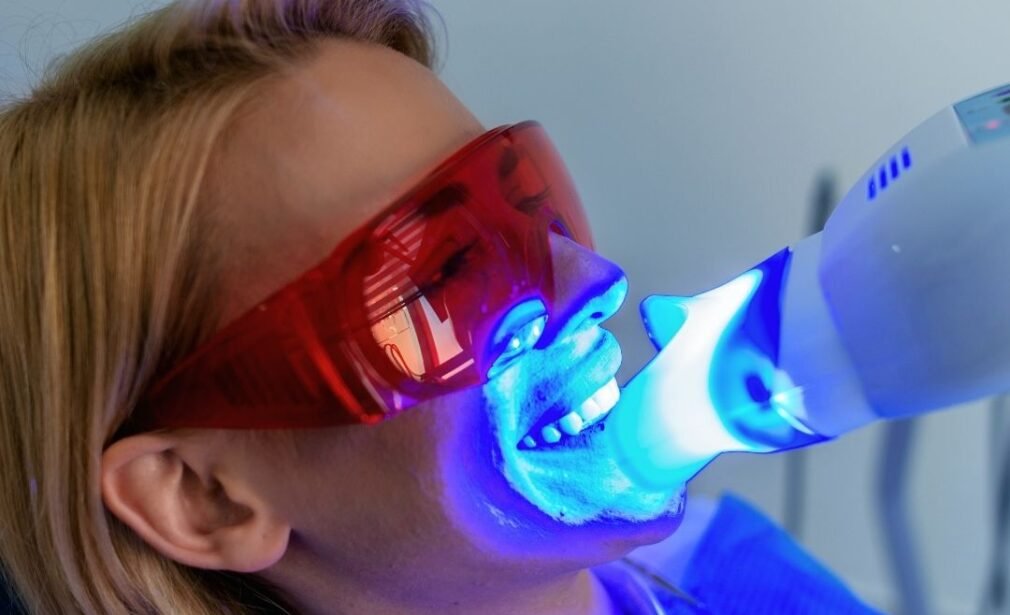
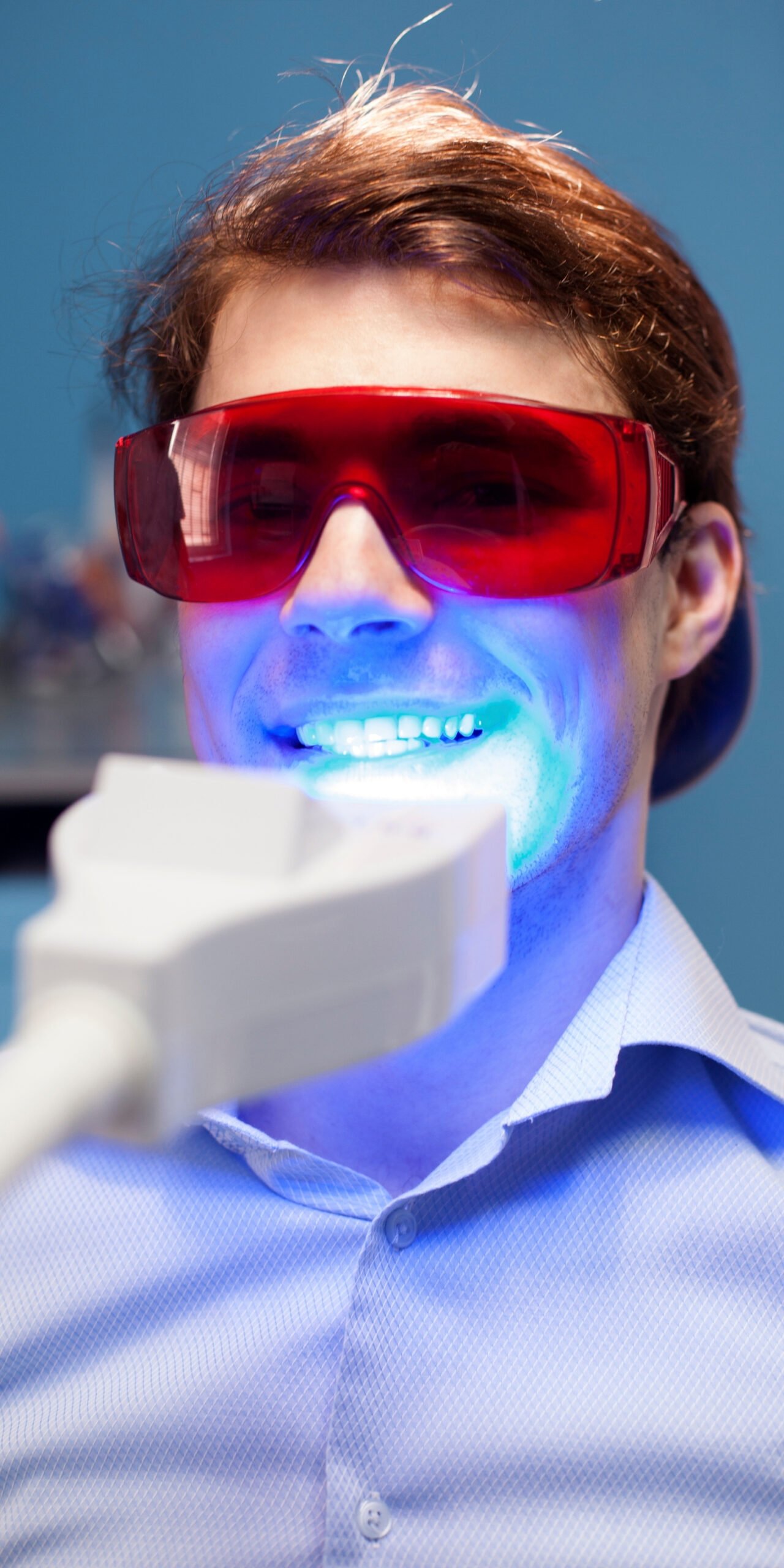
Teeth Whitening (Bleaching)

Information Page for Istanbul Bağcılar Yüzyıl Mahallesi

Teeth whitening is an aesthetically-oriented application that aims to reduce discoloration on the surface of the teeth and tone changes in the internal structure. This procedure is not medically mandatory; it is a purely aesthetic option that can be requested in line with one's own appearance preferences. The safety and application method of the products used during the whitening process should be evaluated under the control of the dentist.

Note This content has been prepared for informational purposes only. It complies with the current legislation on promotion and information in health services. It does not direct or promise any treatment. Whitening procedure can be planned after the evaluation of oral and dental health, depending on the preference of the person, if the physician deems appropriate.

bagcilar yuzyil teeth whitening information

What is Teeth Whitening (Bleaching)?

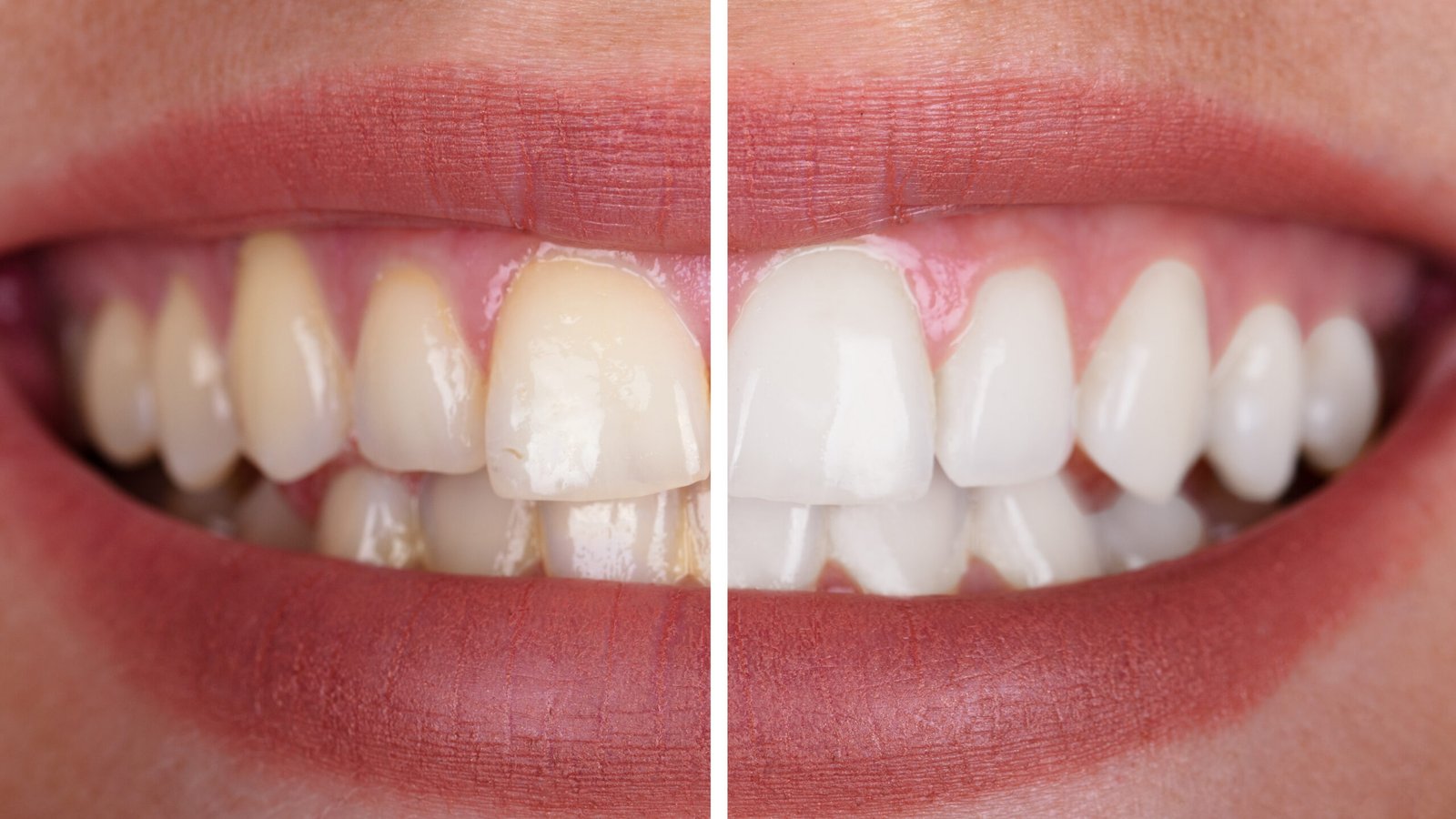
Teeth whitening is an aesthetic application that aims to reduce discoloration on the tooth surface over time. Consumption of staining products such as tea, coffee, cigarettes, cola; use of certain medications; enamel thinning that occurs with age and genetic factors can cause tooth discoloration. This procedure concerns the aesthetic appearance of the teeth, not their health.

The whitening process aims to lighten the color pigments that penetrate into the tooth enamel by dissolving them with oxygen-based products. The safety of the products used in the application should be evaluated under the control of the dentist. Since each individual's tooth structure is different, whitening suitability, expectation management and possible results are determined by the physician's evaluation.
what is teeth whitening aesthetic bleaching

Why Do Teeth Turn Yellow? Types of Discoloration

Tooth discolorations are not just stains on the outer surface. Depending on the source, different types of discoloration can occur and each may respond differently to whitening.

1. Extrinsic Coloration (Extrinsic)

Color changes caused by staining substances coming from outside the enamel surface. The most common causes are:

  • Tea, coffee, cola, red wine
  • Cigarettes and tobacco products
  • Colorful sauces and spices
  • Plaque and tartar accumulation on the outer surface

2. Intrinsic Coloration (Intrinsic)

Changes in tone caused by the internal structure of the tooth. These are

  • Antibiotic use in childhood (tetracycline stains)
  • Affection of pulp tissue after trauma
  • Developmental enamel/dentin disorders
  • Advancing age

Internal discoloration is more resistant than external surface stains. The expected level of change may differ from person to person.

What are Teeth Whitening Methods?

Whitening methods may vary according to the application method. The method and product content to be used can be evaluated by the physician according to the oral structure and expectations of the person.

1. Whitening Applied in the Clinic Environment

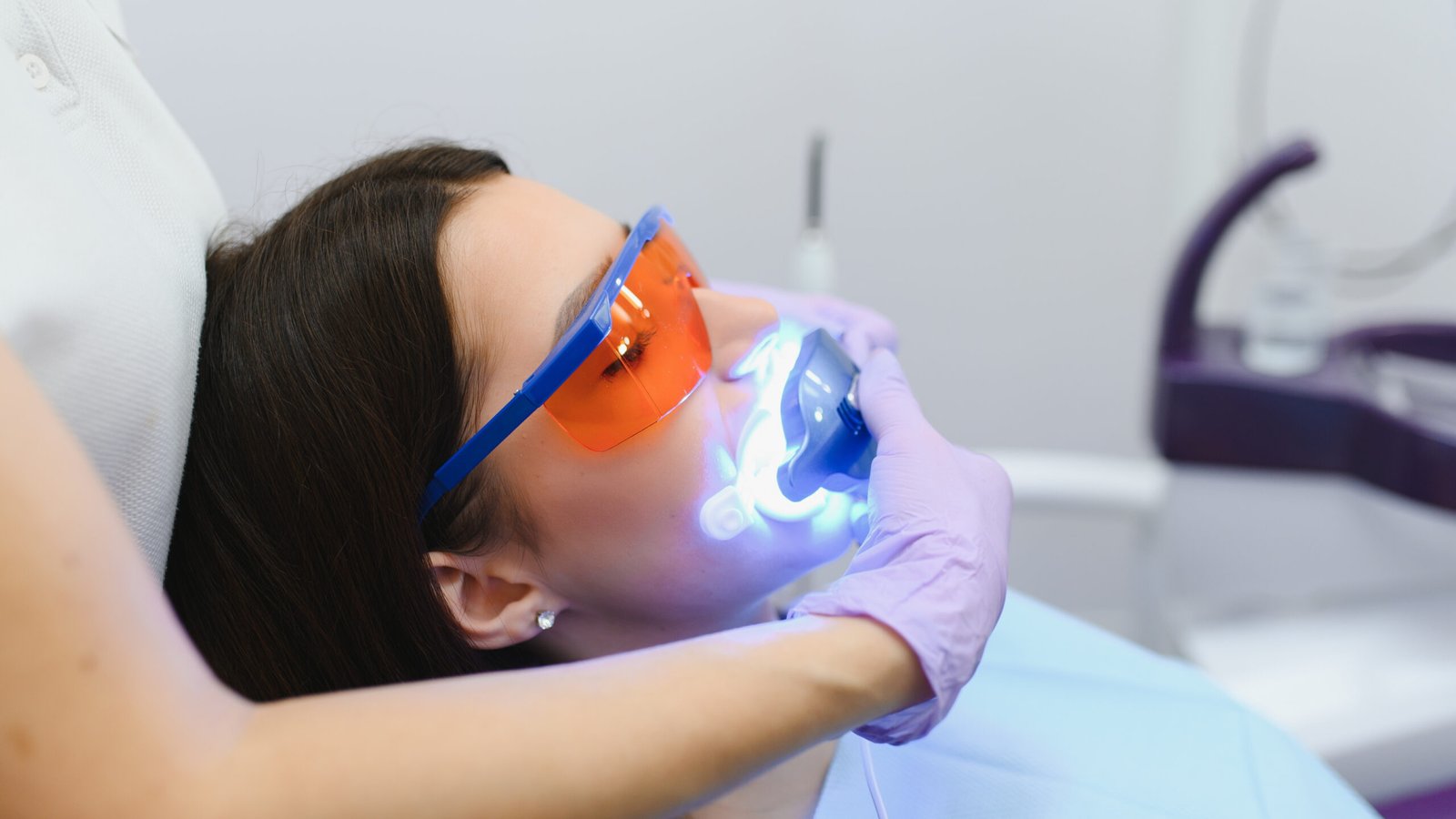
It is a type of whitening performed by a dentist in a clinical setting. The concentration of the products used in this method is higher and the procedure time is shorter. The dentist isolates the gums with protective barriers and ensures that the application proceeds safely.

2. Home Bleaching (Under Physician Control)

It is a method performed with patient-specific transparent trays and low-concentration whitening products. The frequency of product use, application time and correct usage information are explained individually by the physician. This procedure can also be considered as a complement to clinical whitening.

3. Single Tooth Whitening (Internal Whitening)

It is a special technique applied for single teeth with root canal treatment or discolored teeth after trauma. The physician determines which teeth are suitable for this procedure.

teeth whitening methods clinic type home type

Why is an Examination Before Teeth Whitening Important?

A thorough assessment by the dentist before whitening is important for both safety and the effectiveness of the process. The following conditions are reviewed:

  • Tooth decay or fractures
  • Gum diseases
  • Tooth enamel abrasions
  • Dry mouth
  • Sensitivity history
  • Condition of existing fillings and coatings (they do not whiten)

Fillings, veneers, bridges and implant prostheses do not whiten. Therefore, expectations in the treatment process are mutually clarified. In some cases, caries treatment or scaling may be required first.

What Should Be Considered After Whitening?

Increased sensitivity of the teeth after the procedure is a common temporary condition. The following points can be considered during this process:

  • Avoiding tea, coffee, cigarettes and colored drinks for the first 48 hours
  • Avoiding extremely hot and cold foods
  • Using desensitizing products recommended by the dentist
  • Choosing a “white diet” in the first days after whitening

The length of time teeth stay white may vary depending on personal habits, oral hygiene and the coloring foods consumed.

Is Whitening Suitable for Everyone?

In some cases, whitening may not be appropriate or may need to be postponed. This can only be decided after a dental examination.

  • Advanced gum problems
  • Hypersensitivity
  • Enamel loss / tooth erosion
  • Pregnancy and lactation
  • Extensive bruises or fractures

Frequently Asked Questions About Teeth Whitening

Does teeth whitening damage teeth?

When the procedure is performed with the right products and under the supervision of a dentist, planning is made to protect the enamel structure. Its suitability should be evaluated by the dentist.

Are fillings or veneers white?

No, they do not. Fillings, zirconium veneers, laminated and implant prostheses do not whiten. A physician evaluation may be required for color matching after whitening.

Is whitening permanent?

Persistence time varies according to personal habits. As the use of tea, coffee and cigarettes increases, the color return may be faster.

Is home whitening safe?

Product content and method of use should be evaluated by a physician. Improper use may increase sensitivity.

Information: This page has been prepared for general information about teeth whitening (bleaching). The content is organized in accordance with the legislation on promotional and informational activities in health services. Personal treatment decision can only be made after a dental examination.

WhatsApp Search Now