
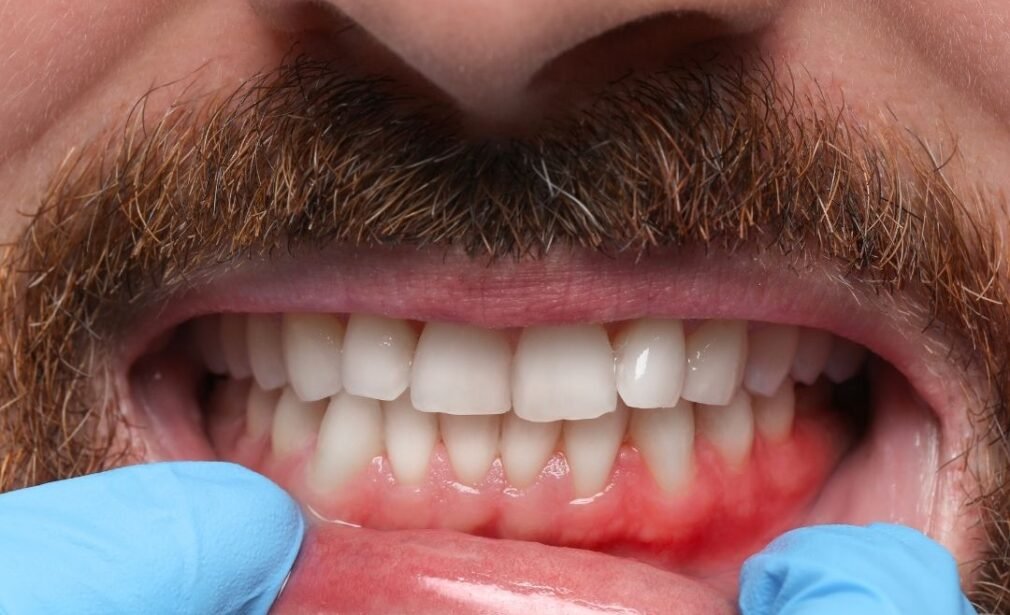
Treatment of Gum Diseases (Periodontal Treatments)

Information Page for Bağcılar Yüzyıl Mahallesi and Surroundings

Gum diseases (gingivitis and periodontitis) are inflammatory diseases of the gums and supporting tissues surrounding the teeth. While it may start with only redness and bleeding in the gums in the early stages, it may lead to melting of the bone tissue that carries the teeth, loosening of the teeth and tooth loss in the later stages. This page contains detailed information about the causes, symptoms, diagnosis and treatment processes of gum diseases and post-treatment care.

Note This content may only be used in accordance with the legislation in force regarding promotional and informational activities in health services. for information purposes prepared. It does not constitute an advertisement, campaign or referral to treatment. The diagnosis and treatment plan is determined individually after the dental examination.

bagcilar yuzyil gum disease treatment information

What are Gum Diseases (Gingivitis and Periodontitis)?

Gum disease is the general name for inflammatory processes affecting the tissues surrounding the teeth. The two most common presentations are gingivitis, which means inflammation of the gums. gingivitis and the bone tissue supporting the tooth is also affected. periodontitistir.

Gingivitis (Gum Inflammation)

Gingivitis is a superficial inflammation of the gums. It usually manifests itself with bleeding during tooth brushing, redness and swelling of the gums. There is no bone loss at this stage and it is reversible after proper oral care and professional cleaning practices.

Periodontitis (Advanced Gum Disease)

Periodontitis is a more advanced stage that occurs when the bone and connective tissues surrounding the tooth become inflamed as a result of the progression of gingivitis. Areas called “pockets” form between the tooth and gum, and bacteria and tartar can accumulate in these pockets. Over time, bone loss, loose teeth and even tooth loss may occur. Periodontitis is a chronic disease that can cause permanent damage if left untreated.

healthy gingivitis gingivitis periodontitis comparison

What are the Symptoms of Gum Diseases?

Gum diseases can progress unnoticed as they are often painless in the early stages. For this reason, some symptoms related to the gums are considered warning signals that should not be neglected. Common complaints may be as follows:

  • Bleeding gums when brushing teeth or eating hard food
  • Redness, swelling and tenderness of the gums
  • Recession of the gums, tooth lengths appear to be elongated
  • Persistent bad breath or bad taste
  • Increased gaps between teeth
  • Sensitivity or slight wobbling of the teeth during chewing
  • In advanced cases, significant shaking and displacement of teeth

The presence of these symptoms alone is not sufficient to make a diagnosis, but may indicate the need for a dental examination. The exact diagnosis and the stage of the disease are determined after clinical and radiographic evaluation.

Causes and Risk Factors of Gum Diseases

The main cause of gum diseases is bacterial plaque that accumulates on the tooth surface and at the gingival margin. When plaque is not cleaned sufficiently, it hardens over time and turns into tartar. Since the surface of the tartar is rough, it prepares the ground for more bacteria to adhere and can increase gingivitis.

Major causes and risk factors:

  • Inadequate or incorrect tooth brushing
  • Not using auxiliary cleaning methods such as dental floss and interdental brushes
  • Smoking and use of tobacco products
  • Diabetes (diabetes) and some systemic diseases
  • Pregnancy and hormonal changes
  • Diseases and drugs affecting the immune system
  • Dry mouth, decreased saliva flow
  • Poorly matched fillings, flood fillings or old restorations
  • Genetic predisposition

Some people may be more susceptible to gum disease due to genetic predisposition or systemic diseases, even if they practice good oral care. For this reason, gum health should be evaluated not only with brushing, but also with general health status and lifestyle.

risk factors for gum diseases plaque and calculus

How are Gum Diseases Diagnosed?

Gum disease is diagnosed by a detailed oral examination by a dentist or periodontal therapist. In this examination

  • The color, shape and bleeding status of the gums are evaluated.
  • The pocket depth between tooth and gum is measured with a special periodontal probe.
  • Teeth swaying, position of teeth and bite relationships are examined.
  • The location and amount of calculus is assessed.
  • If necessary, radiographic (X-ray) examination is used to analyze bone levels and bone loss.

As a result of these evaluations, the type (gingivitis/periodontitis), severity and prevalence of gum disease are determined. The treatment plan is created according to these findings and the general health status of the patient.

Basic Methods Applied in the Treatment of Gum Diseases

The main goal in the treatment of gum diseases is to remove bacterial plaque and calculus from the teeth and gum area, control the inflammatory process and improve the patient's oral care habits. Treatment may consist of different steps depending on the stage of the disease.

1. Professional Scaling (Detartraj)

In cases of gingivitis and incipient periodontitis, the first step is to remove tartar accumulated on the gingival margin and tooth surfaces with special instruments (ultrasonic devices and hand instruments). This can help the gums to recover over time by reducing mechanical irritation on the gums. With proper oral care after cleaning, improvement in gum color and form can be seen.

2. Root Surface Smoothing (Curettage)

In cases of periodontitis, stones and bacterial deposits adhering to the root surfaces under the gums can be found in deeper areas. In this case, it may be necessary to go under the gums to clean and smooth the root surfaces. This procedure root surface smoothing or colloquially called “deep cleaning / curettage”. The aim is to create smooth root surfaces that will make it difficult for bacteria to attach and to support the gum to hold tightly to the tooth again.

3. Advanced Periodontal Treatments and Surgical Approaches

In advanced cases of periodontitis, detachment and root planing alone may not be sufficient. In this case, it may be necessary to surgically access the gum pockets, clean the root surfaces with a clearer view of the area, and in some cases, bone correction/regeneration methods may be required. Which surgical methods are appropriate depends on the clinical and radiographic condition of the patient.

4. Supportive Treatments and Follow-up

Once periodontal treatment has been completed, it is important that the patient is invited for regular follow-up and supportive care appointments. At these appointments, new plaque and calculus deposits are removed, pocket depths are re-measured and oral care habits are reviewed. It should not be forgotten that periodontal diseases can have a chronic course; long-term follow-up plays a major role in the success of treatment.

calculus cleaning and coke surface smoothing

Things to Consider After Gum Treatment

After gum treatment, both clinic-specific recommendations and general hygiene rules are important for a healthy healing process. Although it varies according to the procedure applied, the general points that are frequently reminded may be as follows:

  • Avoiding very hot food and drinks in the first hours
  • Limiting hard foods that can irritate the treated area for a while
  • To use the medicines recommended by the physician (painkillers, antiseptic mouthwashes, etc. if necessary) as prescribed
  • Preferring soft bristle brushes in toothbrush selection and applying the brushing technique as recommended by the physician
  • Quitting smoking if possible, or at least limiting it during treatment and recovery

After treatment, you can expect mild tenderness of the gums, an occasional feeling of receding, or tooth lengths becoming more visible. These changes may be related to the recovery of inflamed and swollen gum tissue. It is important to contact the dentist in case of prolonged pain, swelling or unexpected symptoms.

What Consequences Can Occur If Gum Diseases Are Not Treated?

Gum diseases may initially only present with mild symptoms such as bleeding gums, but if left untreated, they can progress over time and lead to more serious consequences. These consequences include:

  • Dissolution of the bone tissue surrounding the teeth
  • Increased pocket depths between teeth and gums
  • Wobbling and displacement of teeth
  • Chewing difficulty and tenderness
  • Advanced tooth loss

In addition, periodontal disease can be a source of chronic inflammation that is also associated with general health. Therefore, it is important to take steps to maintain oral health through regular dental check-ups, rather than treating bleeding gums as a “normal” condition. The type and extent of treatment should be determined after individual examination and evaluation.

Gum Health in Bağcılar Yüzyıl Neighborhood and Surroundings

Bağcılar is one of the densely populated districts of Istanbul and many people from different age groups live in and around Yüzyıl neighborhood. Daily pace of life, working conditions and eating habits have a direct impact on oral and dental health. In particular, irregular tooth brushing, smoking and frequent snacking habits can lead to more frequent gum diseases.

Most gum diseases can be recognized and controlled at an early stage with regular dental check-ups and proper oral care habits. For this reason, for individuals in and around Bağcılar Yüzyıl, scheduling oral examinations at regular intervals, not only when toothache occurs, but even when there are no symptoms, can contribute to the protection of dental and gum health.

Frequently Asked Questions About Gum Diseases

Is bleeding gums normal?

Healthy gums do not bleed easily when brushing. Bleeding gums are often one of the first signs of gingivitis. For this reason, bleeding should not be considered “normal” and should be evaluated by a dentist examination.

Can gum diseases be treated?

Gingivitis can usually be controlled with proper oral care and professional cleaning. Periodontitis, on the other hand, is more advanced but can be managed with properly planned periodontal treatment and regular follow-up. The extent of treatment depends on the stage of the disease and individual factors.

Does gum recession return?

The cause of gum recession, its level and the extent of bone loss determine the treatment approach. In some cases, the progression of recession can be halted and sensitivity reduced. In advanced recession, specific surgical or supportive methods are considered. Whether or not these can be applied is evaluated by the dentist on a case-by-case basis.

Does gum disease cause bad breath?

Yes, gum pockets and tartar can contribute to the accumulation of bacteria and bad breath. After periodontal treatment and regular cleaning, there may be a significant improvement in bad breath. However, since there may be other causes of bad breath, it is important to have a comprehensive evaluation by a physician.

What is the effect of smoking on gum diseases?

Smoking is an important risk factor for gum diseases. By disrupting the blood supply to the gum tissue, it can both increase the risk of developing the disease and negatively affect the success of treatment. In addition, gingival bleeding in smokers can sometimes be less noticeable due to the narrowing of the vessels; this can lead to a silent and advanced course of the disease.

What can be done to prevent gum diseases?

Regular and correct tooth brushing, use of dental floss and interdental brushes, avoidance of smoking, balanced nutrition and routine dental check-ups are the basic steps in the prevention of gum diseases. It is especially important for individuals with a history of gum disease to keep their check-up appointments.

Important Information: The explanations on this page are intended to provide general information about gum diseases and periodontal treatments. Since each individual's oral and dental structure, general health status, habits and disease history are different, diagnosis and treatment planning can only be made after a dental examination. The content has been prepared in accordance with the legislation in force regarding promotional and informational activities in health services, without the purpose of advertising or guidance.

WhatsApp Search Now