

Root Canal Treatment (Endodontic Treatment)
Information Page for Bağcılar Yüzyıl Mahallesi and Surroundings
Root canal treatment is a treatment method applied in case of inflammation or irreversible damage to the nerve and vascular tissue (pulp) located inside the tooth. This page provides detailed information about what root canal treatment is, in which cases it comes up, how the treatment process proceeds and the points to be considered after the procedure.
Note The content has been prepared for informational purposes only in accordance with current health legislation; it does not constitute advertising, campaigns or referral to treatment. The diagnosis and treatment plan is determined individually after the dental examination.
What is Root Canal Treatment? A Brief Overview of the Internal Structure of the Tooth
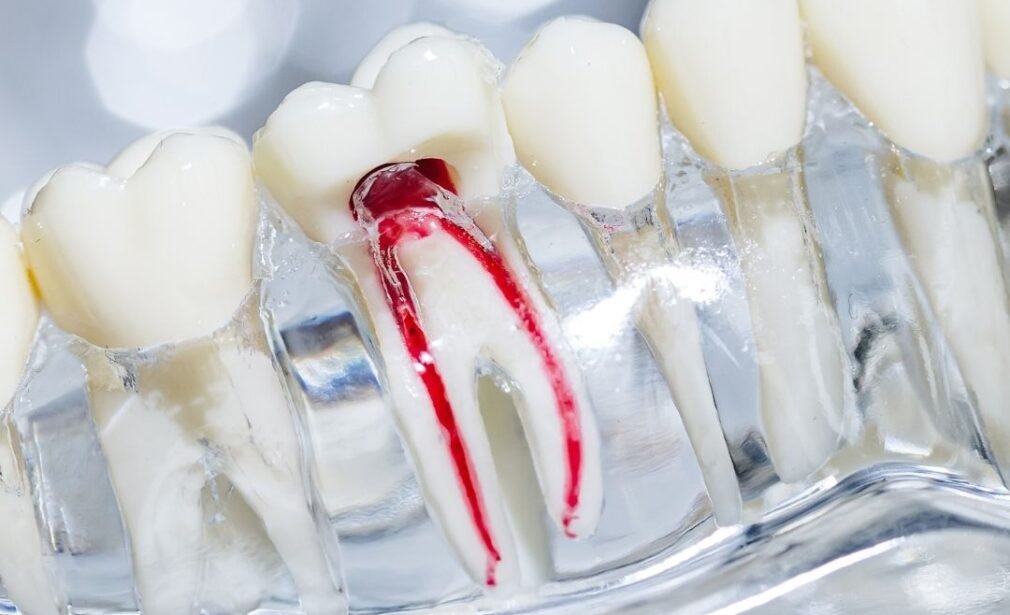
The tooth consists of enamel, dentin and pulp layers from the outside to the inside. Enamel and dentin refer to the hard tissues of the tooth, while pulp refers to the soft tissue in the center of the tooth. The pulp consists of vessels, nerves and connective tissue and nourishes the tooth, ensuring its sensitivity.
Pulp tissue can become inflamed or irreversibly damaged as a result of deep decay, trauma or blows to the tooth. In this case, the tooth may develop severe pain, throbbing, aching that wakes you up at night, hot-cold sensitivity or sometimes abscess and swelling without any symptoms. Root canal treatment is the process of cleaning this damaged pulp tissue, shaping and disinfecting the root canals and filling them with a suitable filling material.
In which cases can root canal treatment be considered?
Root canal treatment is usually considered when the nerve tissue of the tooth is damaged or infected. This damage may occur as a result of deep caries, cracks, large fillings, trauma or habits such as clenching/gnashing. When the reasons for patients to visit the dentist in and around Bağcılar Yüzyıl Mahallesi are examined, it is seen that tooth decays that have been neglected for a long time increase the need for root canal treatment.
Symptoms that may require root canal treatment may be as follows:
- Toothache that does not go away for a long time
- Throbbing pain that increases at night
- Prolonged sensitivity to heat or cold
- Pain or pressure during chewing
- Swelling, abscess, fistula in the gum area (pimple-like discharge area)
- Darkening or graying of tooth color
These symptoms alone are not enough to make a diagnosis; some teeth requiring root canal treatment can be detected without any symptoms. The definitive assessment is made by dental examination and, if necessary, radiographic examination.
How is Root Canal Treatment Performed? Step by Step Treatment Process
Root canal treatment is a detailed procedure consisting of multiple stages. The location of the tooth, the number of roots, the structure of the root canals, the state of inflammation and the general health of the patient can affect the treatment process. In general, root canal treatment proceeds in the following steps:
1. Examination and Diagnosis
The dentist first examines the tooth clinically, listening to the history of pain, sensitivity and complaints during chewing. Radiographs (X-rays) are used to evaluate the depth of the decay, the condition of the roots, the bone tissue in the root tip area and the areas of infection, if any. This stage is critical for determining whether root canal treatment is required and the treatment plan.
2. Local Anesthesia and Isolation
Depending on the condition of the tooth, local anesthesia is applied; this prevents pain during the treatment. The tooth is then isolated with a rubber cover, usually called a “rubber dam”. This isolation helps both to keep the work area dry and to prevent the solutions used from spreading into the mouth.
3. Caries and pulp tissue are removed
Decayed or old fillings are removed from the upper part of the tooth and the pulp chamber is accessed. Inflamed or damaged pulp tissue is removed with the help of special instruments. At this stage, access to the root canals of the tooth is provided and the length of the root canals is determined.
4. Shaping and Cleaning of Root Canals
Root canals are shaped with the help of special canal files and rotary systems. At the same time, the canal is washed with various disinfectant solutions to reduce the bacterial load. The aim is to clean the canals both mechanically and chemically and make them ready for filling.
5. Channel Filling
After the canal is adequately cleaned and dried, it is usually filled with a biocompatible material called “gutta-percha” and canal filling sealer materials. Thus, the root canal is hermetically sealed. The aim is to minimize bacterial leakage into this area in the future.
6. Top Filling or Restoration of the Tooth
After the root canal treatment is completed, the loss of material in the upper part of the tooth is evaluated. While composite filling may be sufficient for small material losses, restorative options such as inlay-onlay or veneers can be planned for large losses. Which method will be applied is determined by the dentist according to factors such as how long the tooth will remain in your mouth and which forces it will be exposed to.
Is Root Canal Treatment Always Finished in One Session?
In some teeth, root canal treatment can be completed in a single session, while in some cases more than one session may be required. The assessment of this situation depends on factors such as the extent of the inflammation, whether the tooth has been treated before, the condition of the root canals and the general health of the patient.
Single Session Root Canal Treatment
In cases where the inflammation is limited, there is no obvious acute infection, and the patient does not complain of pain and swelling, all root canal treatment steps can be completed in a single session. Especially for people for whom time management is important, single session root canal treatment may be preferred in appropriate cases.
Multi-Session Root Canal Treatment
For teeth with large areas of infection, abscesses, severe swelling, severe pain or a history of failed root canal treatment, treatment may be spread over more than one session. Between sessions, temporary medication can be placed in the root canals and the tooth is sealed with a temporary filling. This aims to suppress and control the infection.
Condition of the Tooth after Root Canal Treatment and Expectations
The tooth after root canal treatment can continue its chewing function in the mouth even if it has lost its vitality. The success of the treatment is closely related to the control of infection, the quality of the root canal filling and the suitability of the upper restoration. A properly treated and protected root canal tooth can function in the mouth for many years.
However, it should not be forgotten that a root canal treated tooth may be more prone to fracture, especially if the loss of material is high. Therefore, it is important to consider veneers or reinforced restoration options depending on the condition of the tooth. The dentist recommends the appropriate restoration plan by considering the load distribution of the tooth in the mouth and chewing habits.
Things to Consider After Root Canal Treatment
In the first few days after root canal treatment, there may be a slight sensitivity or discomfort, especially when chewing. This is usually temporary and decreases over time. It is recommended to pay attention to the following points in the post-treatment period:
- If you have a temporary filling: Avoiding biting very hard foods with the affected tooth until the permanent restoration is in place can help prevent the temporary filling from breaking.
- Chewing pattern: The treated tooth should be protected from excessive force, especially in the first few days.
- Oral hygiene: Root canal treated teeth can decay just like other teeth; therefore, regular brushing, flossing and use of an interdental brush are important.
- Follow-up appointments: Keeping the follow-up appointments recommended by the dentist makes it easier to monitor the long-term success of the treatment.
- Persistent pain or swelling: In case of prolonged or increasing complaints, a physician should be contacted.
Is Root Canal Treatment Always Successful?
Root canal treatment is a procedure with a high success rate; however, as with any medical procedure, the success of the treatment depends on many factors. Complex root canal anatomy, previously treated teeth, large areas of infection, systemic diseases or poor oral hygiene can increase the risk of failure.
In some cases, a tooth that has already undergone root canal treatment may develop reinfection over time. In this case, “retreatment” (renewal of root canal treatment) may be considered. If necessary, surgical methods (such as apical resection) are also among the options that can be evaluated by the dentist.
Need for Root Canal Treatment in Bağcılar Yüzyıl Neighborhood and Surroundings
The need for root canal treatment often arises as a result of tooth decays or traumas that have been neglected for a long time. For individuals living in and around Bağcılar Yüzyıl Mahallesi, it is common to postpone dental check-ups due to workload, busy city life and time constraints. This delay may cause a problem that can be solved with a simple filling to require root canal treatment or more advanced treatments.
For this reason, regular dental check-ups and prompt referral to the dentist can help reduce the need for more advanced procedures such as root canal treatment. When root canal treatment is necessary, it is important that the treatment is planned with expert opinion and appropriate equipment.
Frequently Asked Questions About Root Canal Treatment
Is root canal treatment a painful procedure?
Root canal treatment is usually performed under local anesthesia and no pain is felt during the procedure. Even in teeth that were in severe pain before the treatment, the anesthesia aims to work comfortably. Sensitivity may be observed for a few days after the procedure; this is usually temporary.
How long does root canal treatment take?
Treatment time varies according to the number of roots, the difficulty of the canal structure, the prevalence of infection and the single/multiple session plan. While some teeth can be completed in a single session within 30-60 minutes, some cases may require more than one session.
Will a tooth that has had root canal treatment hurt again?
After a successful root canal treatment, the inflammation in the tooth is controlled and the pain usually disappears. However, in some cases, due to the complexity of the root canal anatomy or other reasons, re-infection may occur. In this case, the dentist will assess whether re-treatment or additional procedures are required.
Is it necessary to have a crown on a root canal treated tooth?
This depends on the amount of material loss of the tooth. For teeth with large material loss, veneers or additional restorative solutions may be recommended to reduce the risk of fracture and improve sealing after root canal treatment. For teeth with minor loss of material, a filling may be sufficient. The dentist makes the decision based on clinical and radiographic evaluation.
Does root canal treatment prolong the life of the tooth?
A root canal treatment performed under appropriate conditions and with the right technique supports the tooth to remain in the mouth without being extracted. Thus, it becomes possible for the person to continue chewing with their natural teeth. However, it is also important to regularly check the root canal treated tooth and support it with appropriate restoration.
Can root canal treatment be performed during pregnancy?
Severe toothache or infection during pregnancy can pose a risk to the health of both mother and baby. Therefore, the need for root canal treatment is evaluated jointly by the obstetrician and dentist. The treatment plan is determined within the framework of the period of pregnancy, the severity of the complaint and the general health status.
Important Information: The information on this page about root canal treatment is for general information purposes. The diagnosis and treatment process may vary according to the oral and dental structure, general health status and complaints of each patient. A dental examination is required for definitive diagnosis and treatment planning. The content has been prepared in accordance with the legislation in force regarding promotion and information activities in health services, without advertising and guidance.
 Turkish
  English