

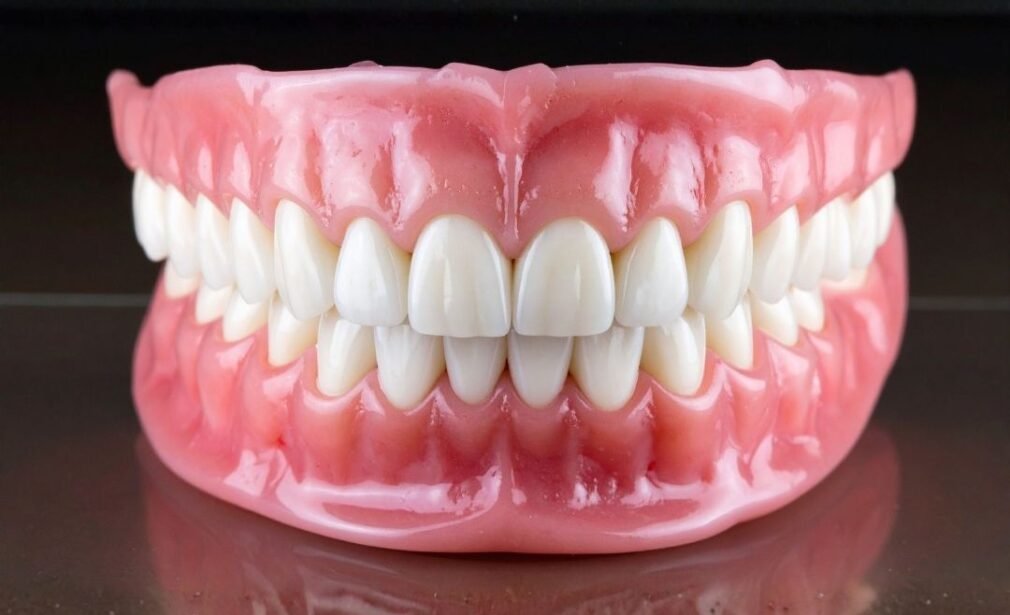
Prosthetic Dental Solutions
Information Page for Bağcılar Yüzyıl Mahallesi and Surroundings
Prosthetic dental treatments are dentistry applications that aim to complete missing teeth functionally and aesthetically. There are various prosthesis options for different needs, from single missing teeth to multiple missing teeth and complete edentulism. This page provides detailed information on types of fixed and removable dentures, treatment process, care recommendations and frequently asked questions.
Note This content may only be used in accordance with the legislation in force regarding promotional and informational activities in health services. for information purposes prepared. It does not constitute an advertisement, campaign or referral to treatment. The diagnosis and treatment plan is determined individually after the dental examination.
What is a prosthetic tooth and for what purpose?
Prosthetic teeth are artificial teeth prepared by using materials compatible with oral tissues to replace missing teeth, supporting chewing function and helping to improve aesthetics. Different prosthetic options can be evaluated in cases where one or more teeth are missing, as well as in cases where all teeth are lost.
Missing teeth can cause both physiological and psychological effects such as chewing difficulties, speech disorders, aesthetic concerns and loss of self-confidence. In addition, problems such as leaning of neighboring teeth towards the gap due to missing teeth and elongation of the teeth in the opposite jaw can also be seen over time. Prosthetic treatments are applications that aim to reduce these negative effects and help to make the chewing system more balanced.
What is the Difference Between Fixed and Removable Prostheses?
Prosthetic tooth solutions in general fixed prostheses and removable prostheses can be evaluated in two main groups. In some cases, combined methods that combine the features of both approaches can be used.
Fixed Prostheses
Fixed prostheses are types of prostheses that cannot be removed from the mouth by the patient and are permanently attached to the teeth or implants. Veneers (crowns) and bridges belong to this group. They are attached to natural teeth or dental implants. Fixed prostheses are considered especially in cases of single tooth or limited number of missing teeth and in the presence of appropriate bone/support teeth.
Removable Prostheses
Removable prostheses are types of prosthesis that the patient can put on and take off by themselves. In cases where some teeth are missing segmented (partial), and in cases where all teeth are missing total prostheses can be applied. The prostheses are supported by the soft tissues in the mouth and existing teeth, if any. In some cases, prosthesis designs that sit on implants and can be removed by the patient can also be planned.
The dentist decides which type of prosthesis is appropriate by evaluating many factors such as the number of missing teeth, bone structure, the condition of existing teeth, the patient's expectations, general health status and oral hygiene.
Removable Prosthesis Solutions: Total and Partial Dentures
In cases where there are no teeth on the jaw or the existing teeth do not provide sufficient support for the prosthesis, removable prosthesis options come to the fore. In and around Bağcılar Yüzyıl Mahallesi, the need for total and partial prosthesis is common, especially in the elderly age group.
Total (Full) Prostheses
Total dentures are removable prostheses that include the entire row of teeth, applied in cases where there are no teeth in the relevant jaw. They can be used separately in the upper and lower jaw or together in both upper and lower jaws. The prosthesis is held in place by soft tissues in the mouth and vacuum-like retention mechanisms. During the initial period of use, a period of adaptation may be required to re-establish speech and chewing habits.
Partial (Partial) Prostheses
Partial dentures are a type of prosthesis preferred in cases where there are some natural teeth in the mouth, but there are also missing teeth. The existing teeth serve as support for the prosthesis to hold on. There are metal frame dentures, flexible dentures and different design options. The design of the prosthesis is prepared according to the number of teeth in the mouth, the position of the teeth and the jaw relationship.
Fixed Prostheses: Crown and Bridge Solutions
Fixed dentures are types of prosthesis that remain in the mouth permanently and cannot be removed by the patient. They are bonded onto the tooth or implant. Especially in the case of a single missing tooth or a limited number of missing teeth, crown and bridge systems are frequently used.
Crown (Veneer) Applications
A crown is a type of crown that completely surrounds a single tooth, helping to strengthen the tooth and improve its aesthetics. Crown applications may be considered for teeth with large material loss, fractures, root canal treatment or deformities. Different materials (e.g. metal-backed porcelain, full ceramic, zirconia-based materials) can be used. Which material is suitable is evaluated according to factors such as aesthetic expectation, chewing force, tooth position and budget.
Bridge Prostheses
In cases where one or more teeth are missing, bridge prostheses can be made with the support of neighboring teeth. The support teeth are reduced in size and crowns are prepared on them; an artificial tooth called the body is added to the area where the missing tooth is located. Thus, it is aimed to close the gap created by the missing tooth functionally and aesthetically. In bridge planning, the strength of the support teeth, root structures and bone support are important.

General Information About Implant Prostheses
In areas where tooth loss is present, titanium implants can be placed in the jawbone to act as artificial roots if the appropriate bone volume and systemic health conditions are present. Fixed or removable prostheses can be planned on these implants. Implant prostheses can help improve retention and comfort compared to conventional removable prostheses. However, implant treatment may not be suitable for every patient; therefore, comprehensive evaluation and planning is required.
Implant-supported prosthesis options can be varied as implant-supported crowns for single missing teeth, implant-supported bridges for several missing teeth and implant-supported fixed or removable prostheses in cases of complete edentulism. Which system is appropriate is decided after clinical and radiographic evaluations by the dentist and related specialists.
How Does the Prosthesis Preparation Process Proceed?
Prosthetic treatments are a planned process consisting of more than one stage. The treatment process may vary depending on the number of missing teeth, the type of prosthesis chosen and the oral health of the patient. In general terms, the following steps can be mentioned:
1. Inspection and Planning
The dentist performs an intraoral examination; the condition of the existing teeth, jaw relationships, soft tissue health and chewing function are evaluated. If necessary, radiographic examinations are performed to examine the bone structure and the condition of the roots. In the light of this information, fixed prosthesis, removable prosthesis or implant prosthesis options are reviewed and an appropriate treatment plan is created together with the patient.
2. Intraoral Preparations
Depending on the type of prosthesis planned, tooth and tissue preparations are made in the mouth. In fixed prostheses, support teeth are reduced to a certain extent; in removable prostheses, preliminary treatments such as extractions or fillings are completed if necessary. If there are gum diseases, it is recommended to control them first.
3. Measurement
Measurement procedures are carried out to accurately transfer the inside of the mouth and jaw relationships to the laboratory. Classical impression spoons and impression materials can be used, and in some cases digital scanning systems can also be used. In line with the impressions, the skeleton of the prosthesis and the positioning of the teeth are prepared in the laboratory.
4. Rehearsal Stages
For removable and fixed prostheses, one or more fittings may be performed before delivery. In these fittings, the length, color, bite relationship, lip support and aesthetic appearance of the teeth are evaluated. Any necessary corrections are made at this stage. The aim is to ensure that the patient has a more comfortable wearing experience both functionally and aesthetically when the prosthesis is delivered.
5. Delivery of Prosthesis and Controls
After rehearsals, the completed prosthesis is placed in the mouth. Bonding is practiced for fixed prostheses and fitting and removal training is given for removable prostheses. Follow-up appointments are scheduled for any bumps that may occur in the first days and for the adaptation process to speech and chewing habits.
Acclimatization to Prosthesis Use
It is natural to experience some initial difficulties, especially for first-time denture wearers. Speaking and chewing habits, the movements of the tongue in the mouth and the harmony of the lips with the prosthesis will settle over time. Although this process varies from person to person, regular use and compliance with control appointments can facilitate adaptation.
- Preferring softer foods in the first days
- Avoiding sudden movements that require opening the mouth too much
- Doing speech exercises (such as reading books or newspapers aloud)
- Notifying the physician if prosthesis bumps or pressure points occur
With removable prostheses, it may take longer to get used to the lower jaw prosthesis than the upper jaw. Over time, the tongue and cheek muscles learn to support the prosthesis. In order to facilitate the adaptation process, the insertion and removal method and the duration of use recommended by the physician should be taken into consideration.
Care and Cleaning of Prosthetic Teeth
Maintenance and cleaning are very important for the longevity and oral health of dentures. Failure to clean both fixed and removable dentures regularly can lead to plaque build-up, bad breath, gum problems and fungal infections.
Removable Prosthesis Care
- Removing the prosthesis after each meal and cleaning it with special prosthesis brushes and suitable products
- Avoid using very hot water (it can damage the prosthetic material)
- Removing the prosthesis from the mouth during the night according to the physician's recommendation and storing it in a clean container
- Gentle cleaning of the soft tissues in the mouth (palate, tongue, inner cheeks)
Fixed Prosthesis Care
In the care of fixed prostheses, in addition to normal tooth brushing, interdental brushes, dental floss and other auxiliary products recommended by the dentist can be used for cleaning under and between bridges. In this way, gum health is protected and the risk of caries and inflammation around the prosthesis is reduced.
Prosthesis Need in Bağcılar Yüzyıl Neighborhood and Surroundings
Bağcılar has a large population from different age groups. In and around Yüzyıl neighborhood, multiple tooth loss can be common, especially in individuals who have not had the opportunity to visit a dentist regularly for many years. This can affect both chewing function and daily social life.
Prosthodontic solutions aim to help support chewing function, relax speech and enhance the smile. However, each individual's oral structure, general health status and expectations are different. For this reason, prosthesis planning is personalized and the fit of the prosthesis in the mouth is monitored with regular check-up appointments.
Frequently Asked Questions About Denture Solutions
How long will it take me to get used to my dentures?
The adaptation period varies from person to person. In the first few days, there may be increased awareness when speaking and chewing. With regular use and adherence to follow-up appointments, the dentures usually become more comfortable within a few weeks.
Can I eat anything with a removable prosthesis?
With a removable prosthesis, it may initially be helpful to prefer softer foods. After the adaptation period, it may be possible to consume many foods by adjusting chewing habits as recommended by the physician. Very hard foods should be consumed with caution to avoid damaging the prosthesis and tissues.
How often should dentures be renewed?
The duration of use of dentures depends on many factors such as material quality, oral hygiene, bone and soft tissue changes. Since the jawbone may erode and tissue changes may occur over time, the dentist evaluates the dentures to be checked at regular intervals and renewed if necessary.
Is there bad breath when using dentures?
Inadequate cleaning can lead to plaque accumulation on denture surfaces and in the mouth, which can cause bad breath. This risk can be reduced by regular denture cleaning, attention to oral hygiene and medical check-ups. In case of persistent bad breath, other underlying problems should also be investigated.
Is a fixed or removable prosthesis better?
There is no single answer to this question, because each patient's tooth structure, amount of bone, general health status and expectations are different. For some patients, fixed prostheses are suitable, while for others removable or implant prosthetic solutions may be more appropriate. The best decision is made after a dental examination and evaluation.
Is it okay to sleep with a prosthesis?
For removable dentures, it is generally recommended to remove the denture overnight to allow the oral tissues to rest and to store the denture in a clean container. However, in exceptional cases there may be other recommendations. Therefore, it is important to follow the physician's advice regarding overnight use of the denture.
Important Information: The content on this page is intended for general information about denture solutions. Since each patient's oral and dental structure, general health status and expectations are different, diagnosis and treatment planning can only be made after a dental examination. The content has been prepared in accordance with the current legislation on promotion and information activities in health services, without advertising and guidance.