

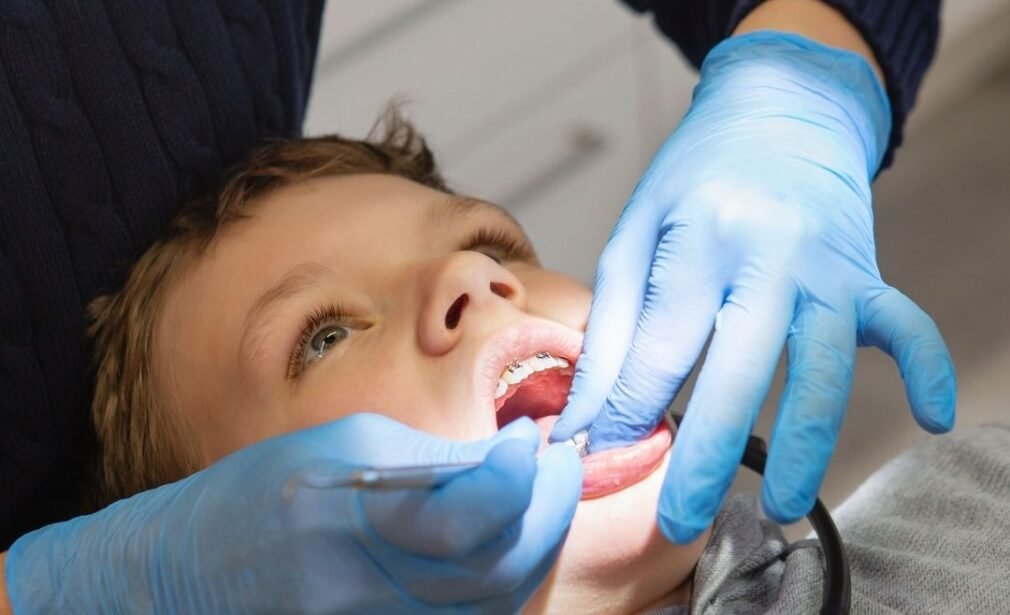
Pediatric Dental Treatments (Pedodontics)

Information Page for Children in and around Bağcılar Yüzyıl Neighborhood

Pediatric dentistry (pedodontics) is the branch of dentistry that deals with the health of children's primary and permanent teeth from infancy to adolescence. This page contains detailed information about the causes of tooth decay in children, preventive applications, milk tooth treatments, trauma situations and frequently asked questions.

Note This content may only be used in accordance with the legislation in force regarding promotion and information in health services for information purposes prepared. It does not constitute an advertisement, campaign or referral to treatment. The diagnosis and treatment plan is determined individually after the dental examination.

bagcilar yuzyil cocuk dental treatments information

What is Pediatric Dentistry (Pedodontics)?

Pediatric dentistry is a specialty that deals with the protection of oral and dental health of children between the ages of 0-13, the detection and treatment of problems that occur. From the first milk teeth that erupt in infancy to the transition to permanent teeth, children's oral health may show different needs at every stage. Therefore, child-specific approach, examination techniques and treatment planning are important.

Milk teeth can sometimes be neglected with the thought that “they will fall out anyway”. However, milk teeth play a critical role in the child's nutrition, speech development, jaw and facial development. They also serve as a guide for the permanent teeth that will erupt from below. For this reason, decays and infections that occur in deciduous teeth can affect not only that tooth, but also the permanent tooth that will erupt from below and general health.

pediatric dentistry pedodontics bagcilar yuzyil

Why is tooth decay common in children?

Tooth decay in children is one of the most common chronic childhood conditions worldwide. There are some basic reasons for this:

  • Frequent consumption of sugary and sticky foods (chocolate, biscuits, candies, packaged snacks)
  • Prolonged and frequent consumption of sweetened milk, fruit juice and acidic drinks
  • Inadequate or incorrect tooth brushing habits
  • Families do not know the importance of milk teeth sufficiently
  • Failure to introduce the child to the dentist at an early age, delayed check-ups

In families living in and around Bağcılar Yüzyıl neighborhood, time allocated for oral care of children may be limited due to busy work schedule and living conditions. In addition, some children experience their first dental visit during emergency visits due to pain and this may increase their fear of dentists. However, introducing children to the dentist through painless and routine check-ups facilitates treatment and makes it easier to protect oral health.

Preventive Pediatric Dentistry Practices

Preventive dentistry aims to take preventive measures before caries occurs or in its early stages. Especially in children, the incidence of tooth decay can be significantly reduced with preventive practices. These practices can also be advantageous for families in Bağcılar and Yüzyıl in terms of both children's health and treatment costs in the long run.

1. Fissure Sealant Applications

Especially on the chewing surfaces of molars, there are fine indentations and protrusions (fissures) where bacteria and food residues can easily accumulate. These areas are one of the areas where caries often starts in children. Fissure sealants are a tooth-colored or white protective layer that fills these indentations and protrusions. It is applied and hardened by the pediatric dentist and helps to make it difficult for food residues to adhere to these areas.

2. Fluorine Applications

Fluorine is a mineral that helps make tooth enamel more resistant to acid attacks. Dentists can apply professional fluoride applications in the form of gel, varnish or foam at regular intervals, depending on the child's age, caries risk and tooth structure. The aim is to strengthen tooth enamel and reduce the risk of caries. The amount and use of fluoridated toothpastes used at home are also explained to the family by the dentist according to the age of the child.

3. Nutrition and Oral Care Education

Not only clinical practices but also habits at home are decisive in the protection of dental health in children. Reducing the frequency of consumption of sugary foods, regulating nighttime feeding habits (especially consumption of sweetened milk with a bottle or pacifier), learning the correct brushing techniques and regular flossing form the basis of child dental health. The pediatric dentist provides guidance to families and children on these issues.

Filling and Root Canal Type Treatments in Milk Teeth

When decayed deciduous teeth decay, filling treatments can be performed in the same way as for permanent teeth. Different treatment options may be considered depending on the condition of the decayed tooth:

Milk Tooth Fillings

Small and medium caries in deciduous teeth can be treated by cleaning the decayed tissue and covering it with appropriate filling materials. Thus, the tooth continues to be used functionally and acts as a natural placeholder for the permanent tooth that will erupt from below.

Canal Type Treatments in Milk Teeth (Pulp Treatments)

When the decay progresses and reaches the nerve tissue (pulp) of the deciduous tooth, filling alone may not be sufficient. In this case, depending on the condition of the tooth; some or all of the pulp is removed. pulp treatments (e.g. pulpotomy, pulpectomy) may be considered. The aim is to preserve the existing deciduous tooth so that it can function in the mouth for a certain period of time without the need for tooth extraction. The dentist evaluates which method is appropriate depending on the root development of the milk tooth, the age of the child and the extent of the infection.

dental filling and pulp treatment

Milk Tooth Extraction and Placeholder Applications

In some cases, it may not be possible to keep the deciduous tooth in the mouth with treatment. Extraction of deciduous teeth may be considered in cases such as advanced caries, root resorption, extensive infection, abscess or unrepairable fractures after trauma. After the deciduous tooth is extracted, if there is a long time before the eruption of the permanent tooth below, in order to prevent the neighboring teeth from slipping into the cavity placeholder applications are considered.

Space maintainers are appliances that aim to protect the space until the underlying permanent tooth erupts and to help the permanent tooth erupt in a more proper position. Both removable and fixed retainers are available. Which type of retainer is appropriate is evaluated according to the location of the extracted tooth, the age of the child, oral hygiene and orthodontic risk status.

Dental Trauma in Children and First Intervention

Children can suffer dental trauma during play, falls, bumps or sports activities. Dental trauma can take different forms, such as simply shaking, cracking, fracturing or dislodging a tooth. A quick and correct approach is important after trauma in both deciduous and permanent teeth.

General Recommendations in Case of Trauma (Informative)

  • Trying to remain calm if the tooth is broken or dislocated
  • If possible, store the broken fragment or dislodged tooth in a clean gauze or container
  • Do not keep the broken tooth under water for too long, do not rub the root part
  • Seeking a dental examination as soon as possible

When deciduous teeth are dislodged, they are often not reinserted because there is a risk of damage to the permanent tooth below. In the case of permanent teeth, the situation is assessed by the dentist and the type of trauma. In such cases, prompt communication with the pediatric dentist or relevant specialists is important.

Harmful Oral Habits in Children and Their Effects on Teeth

Some habits that persist for a long time can negatively affect children's tooth and jaw development. These habits include finger sucking, prolonged use of pacifiers and bottles, lip sucking, nail biting and tongue thrust swallowing.

Especially finger sucking and improper use of pacifiers can lead to orthodontic problems such as upper front teeth being pushed forward, lower front teeth being positioned backwards, open bite or jaw stenosis. The pediatric dentist informs families about the age at which these habits can be considered normal and when intervention is required. If necessary, habit-breaking appliances or different behavioral techniques can be considered.

Oral and Dental Health of Children in and around Bağcılar Yüzyıl Neighborhood

Bağcılar is a district that attracts attention with its densely populated structure and active pace of life. It is observed that families living in and around Yüzyıl neighborhood may delay dental check-ups for their children due to work and school commitments. In addition, socioeconomic conditions in the region may also affect dietary habits and access to oral care products.

Regular dental check-ups make it easier for children to meet the dentist without pain, to recognize cavities at an early stage and to benefit from preventive treatments. This can reduce the likelihood of needing more complex and lengthy treatments in the future. To reduce children's fear of the dentist, it is important that the first visit is as easy and painless as possible.

Frequently Asked Questions About Pediatric Dental Treatments

When should I take my child to the dentist?

The general recommendation is to have the first dental examination after the first milk teeth erupt and at the latest around the age of 1 year. This way, both the family is informed and the child establishes a positive relationship with the dentist at an early age.

Milk teeth will fall out anyway, should they be treated?

Milk teeth are important for a child's nutrition, speech and the proper eruption of permanent teeth. Untreated decay of deciduous teeth can lead to pain, infection and problems in the development of permanent teeth. Therefore, it is important to protect primary teeth and treat them when necessary.

Is fluoridation safe in children?

Professional fluoridation by dentists, taking into account the child's age, caries risk and general condition, is considered safe according to scientific guidelines. It is important that the dose and frequency are planned according to the child's needs and that fluoridated products used at home are in accordance with the dentist's recommendation.

My child is afraid of the dentist, what should I do?

Making the child's first dental experience painless and introductory reduces fear. Performing routine checks without pain helps the child to gradually adapt to the dentist and the clinic environment. It is also important for families to avoid threatening statements about the dentist (e.g. “if you misbehave, they will give you an injection”).

Which toothpaste should be used for children?

The fluorine content and amount of toothpaste may vary depending on the age of the child and the risk of caries. In general, it is recommended to use toothpaste the size of a grain of rice at a young age and a grain of pea at an older age. The dentist who evaluates the child's oral and dental structure will make the best choice.

Does drinking milk from a bottle at night cause tooth decay?

Nighttime consumption of milk, juice or sugary drinks from a bottle can lead to a common type of caries called “bottle caries”, especially if teeth are not brushed. It is therefore important to review night-time feeding habits and clean teeth properly.

Important Information: The information on this page is intended to provide general information about pediatric dental treatment. Since each child's oral and dental structure, diet, habits and health status are different, diagnosis and treatment planning can only be clarified after a dental examination. The content has been prepared in accordance with the current legislation on promotional and informational activities in health services, without the purpose of advertising or guidance.

WhatsApp Search Now