

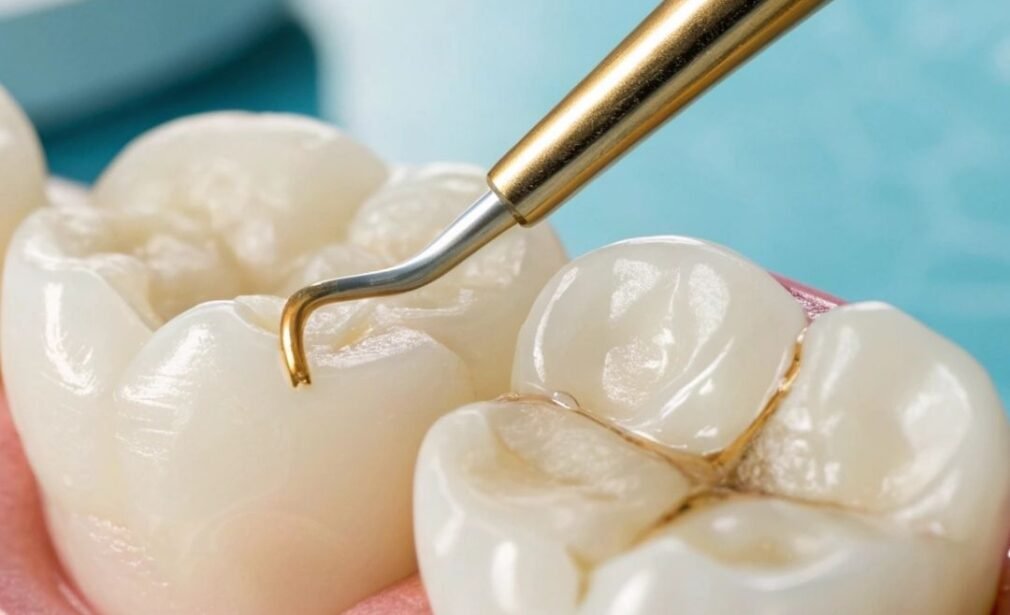
Filling Treatment (Tooth Filling)

Information Page for Patients in Bağcılar Yüzyıl Mahallesi and Surrounding Areas

Filling treatment is one of the basic dentistry applications that help teeth with decay, fracture or loss of material to regain their function and form. This page contains detailed information about what filling treatment is, in which cases it is applied, the types of fillings used, the treatment steps and the things to be considered after the procedure.

Note Content, in accordance with the legislation in force regarding promotion and information activities in health services for information purposes has been prepared. It does not constitute an advertisement, campaign or referral to treatment.

bagcilar yuzyil tooth filling information

What is Filling Treatment?

Filling treatment is the process of repairing a tooth whose structural integrity has been compromised due to decay, trauma or various reasons with a suitable filling material. The decayed or weakened part of the tooth is cleaned, healthy tissues are preserved and the cavity is filled with a biocompatible material. Thus, the chewing function, durability and aesthetic appearance of the tooth are supported.

Dental caries can be seen frequently in Bağcılar Yüzyıl neighborhood and its surroundings, especially due to high carbohydrate consumption, irregular diet and inadequate oral care. Filling treatment is considered as an important step in preventing these caries from progressing and leading to tooth loss or the need for more extensive treatments (such as root canal treatment).

what is a tooth filling bagcilar yuzyil

How Does Tooth Decay Occur?

Tooth decay occurs when bacterial plaque accumulated on the tooth surface slowly dissolves the tooth enamel due to the acids produced by the interaction with sugary and starchy foods. Over time, this process progresses to dentine and deeper layers, leading to the formation of a cavity in the tooth.

The main factors affecting the formation of dental caries:

  • Frequent snacking and sugary foods
  • Inadequate brushing and flossing
  • Structural sensitivity and enamel thickness of the teeth
  • Reduced saliva flow (dry mouth)
  • Genetic factors and existing systemic diseases

Decay that is recognized at an early stage can often be controlled with smaller fillings. Advanced caries, on the other hand, can reach the nerve tissue (pulp) of the tooth, causing pain, inflammation and processes that can lead to root canal treatment or tooth extraction.

In Which Situations Does Filling Treatment Come to the Agenda?

Filling treatment can be considered not only due to decay, but also in many situations that lead to loss of material in the tooth structure. Among the common reasons for patients in Bağcılar and Yüzyıl are the following:

  • Minor or moderate tooth decay
  • Decay around the edge of the old filling
  • Cracks, fractures or loss of tooth fragments
  • Aesthetic concerns (especially color and form disorders in the front teeth)
  • Functional and aesthetic restoration of worn tooth surfaces

The dentist decides which filling material and technique is suitable for which tooth based on clinical and radiographic examination. Each patient's tooth structure, oral hygiene, caries risk and expectations are different; therefore, the treatment plan is prepared individually.

What are the Common Types of Fillers?

Today, many filling materials with different properties are used in dentistry. Their selection may vary according to the position of the tooth, chewing force, aesthetic expectations and clinical conditions. In Bağcılar Yüzyıl Mahallesi and its surroundings, the following filling types are commonly applied, especially in cases where aesthetics and function are important together:

1. Composite (White) Fillings

Composite fillings are tooth-colored, light-cured materials. They are aesthetically advantageous; they are frequently preferred especially in the anterior teeth and visible areas. These materials, which can form a chemical bond with the tooth, can provide functional and satisfactory results when applied with the right technique.

2. Amalgam (Gray) Fillings

Amalgam fillings are metal-containing filling materials that have been used for many years. Although their use is limited or decreased in some countries, they may be preferred in some cases. It has been used quite frequently in the past, especially in the posterior region teeth where aesthetic concerns are low. In current applications, the general condition of the patient and the legislative framework are taken into consideration.

3. Inlay - Onlay Fillings

Inlay or onlay fillings prepared in the laboratory may be preferred in cases where the loss of material in the tooth is high and the conventional filling cannot provide sufficient durability. These fillings can be made of composite or ceramic material and then bonded to the tooth.

composite inlay onlay filling samples

How is Filling Treatment Performed? Step by Step Process

The aim of filling treatment is to repair a tooth weakened by decay or fracture without damaging healthy tissues. The general process consists of the following stages:

1. Examination and Diagnosis

The dentist evaluates the tooth clinically; the depth of the decay, the vitality of the tooth and the surrounding tissues are examined. If necessary, X-rays (radiographs) are taken to analyze the proximity of the decay to the root and bone tissue. This helps to determine whether further treatment, such as filling or root canal treatment, is required.

2. Anesthesia Application

Depending on the depth of the decay and the sensitivity of the tooth, local anesthesia may be applied. In this way, a comfortable treatment process is aimed by eliminating the feeling of pain during the procedure. Some very superficial caries may not require anesthesia.

3. Removal of Carious Tissue

Decayed tooth tissue is removed with rotary instruments or special hand instruments. The aim at this stage is to remove only the infected and weakened tissue and to preserve the healthy tooth tissue. Complete removal of decay is of great importance for the longevity of the filling.

4. Preparation of the tooth and placement of the filling material

After the caries is cleaned, the cavity is shaped to be suitable for the filling material to adhere. In composite filling, a special binding agent is applied to the tooth surface and the filling material is placed in layers and hardened with light. Each layer is polymerized with the help of a light device.

5. Forming and Polishing

After the filling has hardened, it is shaped according to the natural form of the tooth. The patient is guided with a bite paper to determine the areas that remain high or low during chewing. After the necessary corrections are made, the filling surface is polished. This not only improves aesthetics but also helps to reduce plaque retention.

Points to Consider After Filling

After the filling treatment is completed, the effect of local anesthesia may continue in the first hours. During this period, it may be useful to avoid hot-cold and hard foods to avoid accidentally biting the cheek, lips or tongue. After the anesthesia effect wears off, chewing and sensitivity can be more clearly understood.

  • Sensitivity: Sensitivity to cold and heat may occur, especially in the first few days. This is usually temporary. In case of prolonged sensitivity, it is important to be evaluated by a dentist.
  • A sense of height: If the filling is felt to be too high when chewing, minor adjustments may be necessary. In this case, a follow-up appointment is recommended.
  • Oral hygiene: Regular brushing and flossing becomes even more important, as the risk of decay also persists in teeth with fillings.
  • Conscious use: Avoiding biting very hard foods (e.g. crushing nuts with the teeth) with the filled teeth can prolong the life of the filling.

What are the consequences of not filling a decayed tooth?

Caries is not a self-healing process. It progresses over time and reaches deeper layers of the tooth. A decay that can be treated with filling in the early period may need more extensive treatments when neglected:

  • Increased sensitivity and pain
  • Night pains when the decay reaches the nerve
  • Root canal treatment requirement
  • Fracture of the tooth or increased loss of material
  • Risk of tooth loss in advanced cases

Therefore, filling treatment not only repairs the existing problem; it can also be considered as a preventive step that contributes to keeping the tooth in the mouth longer. A dental examination is absolutely necessary for treatment planning.

Filling Treatment Need in Bağcılar Yüzyıl Neighborhood and Surroundings

In Bağcılar, one of the densely populated districts of Istanbul, especially in the Yüzyıl neighborhood and its surroundings, dental caries and the need for filling can be common due to the pace of life, diet and oral hygiene habits. For those living in this region, the habit of regular check-ups may sometimes take a back seat due to the intensity of work and family life.

However, detecting caries at an early stage not only makes filling treatment simpler, but also contributes to the long-term protection of the tooth. For this reason, scheduling regular dental check-ups in Bağcılar, Yüzyıl and surrounding neighborhoods can both reduce the need for fillings and facilitate the follow-up of existing fillings.

Frequently Asked Questions About Filling Treatment

Is filling treatment a painful procedure?

In most cases, the filling treatment is performed under local anesthesia and no pain is felt during the procedure. In very superficial caries, anesthesia may not be necessary. Short-term sensitivity after the procedure can be considered normal; in case of prolonged pain, a dental check-up is recommended.

How long does the filling last?

The lifespan of a filling can vary depending on the material used, the position of the tooth, chewing habits and oral care. Regular check-ups and good oral hygiene help the filling to last longer.

Will the filled tooth decay again?

A filled tooth can decay again if it is not cared for properly. Decay can start at the edges of the filling or in other parts of the tooth. Therefore, having a filling does not mean that oral care can be neglected; on the contrary, hygiene becomes even more important.

What to do if the filling falls out?

Fallen fillings can make the exposed part of the tooth sensitive and cause food accumulation. In such a case, the tooth should be re-evaluated by a dentist and appropriate treatment (such as re-filling, root canal treatment) should be planned.

Can filling treatment be performed during pregnancy?

Since dental caries and pain during pregnancy can affect the health of both mother and baby, it is important that the dentist and obstetrician and gynecologist evaluate the condition together. The treatment plan is determined according to the week of pregnancy, the general condition of the mother and the severity of the complaint.

Does a filling completely restore the tooth?

The aim of filling treatment is to restore the tooth's lost function and, as far as possible, its natural form. However, the depth of decay and the amount of remaining tooth tissue can affect the outcome. In teeth with advanced material loss, different restorative options such as veneers can be considered instead of fillings.

Important Information: The explanations on this page provide general information about filling treatment. The diagnosis and treatment process can only be clarified after a dental examination, as each individual's oral and dental health condition is different. The content has been prepared in accordance with the current legislation on promotional and informational activities in health services, without the purpose of advertising or guidance.

WhatsApp Search Now