


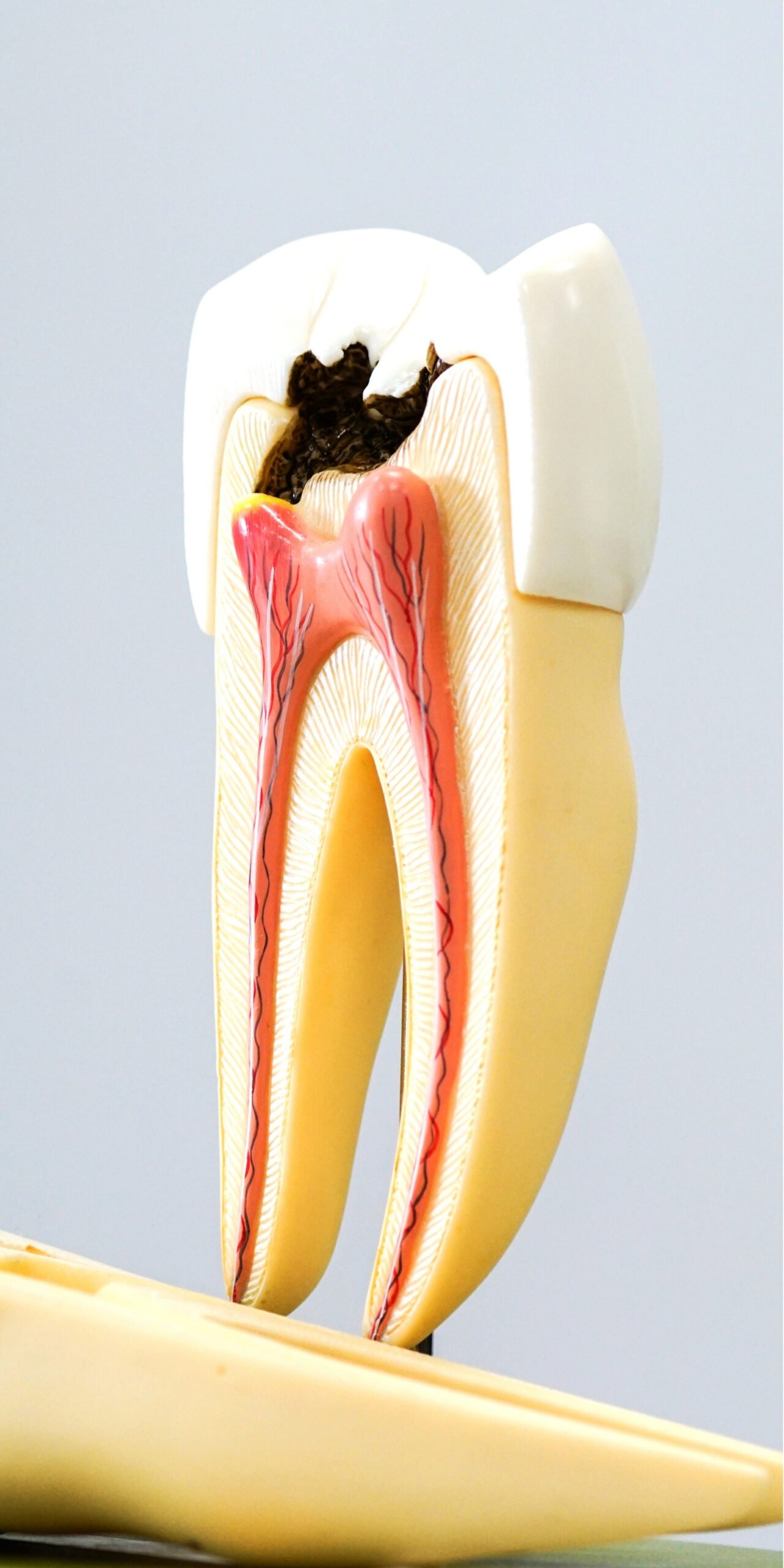
Emergency Dental Treatment

Information Page for Istanbul Bağcılar Yüzyıl Mahallesi and Surroundings

Emergency dental treatment refers to applications aimed at alleviating the current complaint of the person and preventing possible complications in cases such as severe pain, trauma, swelling, bleeding or loss of function that suddenly occurs in the mouth and dental area. Especially toothaches that start at night, swelling in the facial area, tooth fractures after a fall or impact, sudden traumas in children are among the situations that may require urgent evaluation.

Note The information on this page provides information about oral and dental health emergencies. for general information purposes prepared. It has been prepared in accordance with the current legislation on promotion and information in health services; it does not constitute an advertisement, campaign or referral to a specific health institution. The diagnosis and treatment plan is determined only after individual examination by the dentist and relevant specialists.

bagcilar yuzyil emergency dental treatment information

What is Emergency Dental Treatment?

Emergency dental treatment is a solution-oriented approach applied in cases that develop unexpectedly and significantly complicate a person's daily life, often manifested by pain, swelling or trauma. The aim here is not to complete a permanent and comprehensive treatment in a single session, but primarily to alleviate the patient's immediate complaint, prevent the spread of infection and prepare the ground for a more detailed treatment plan.

Conditions that fall within the scope of emergency dental treatment may include severe toothache, traumatic tooth fracture or dislocation, dental infections with facial swelling and fever, soft tissue injuries that may require stitches, sudden denture fractures or conditions that severely impair chewing function. What constitutes an “emergency” often depends on the severity of the complaint and the general state of health.
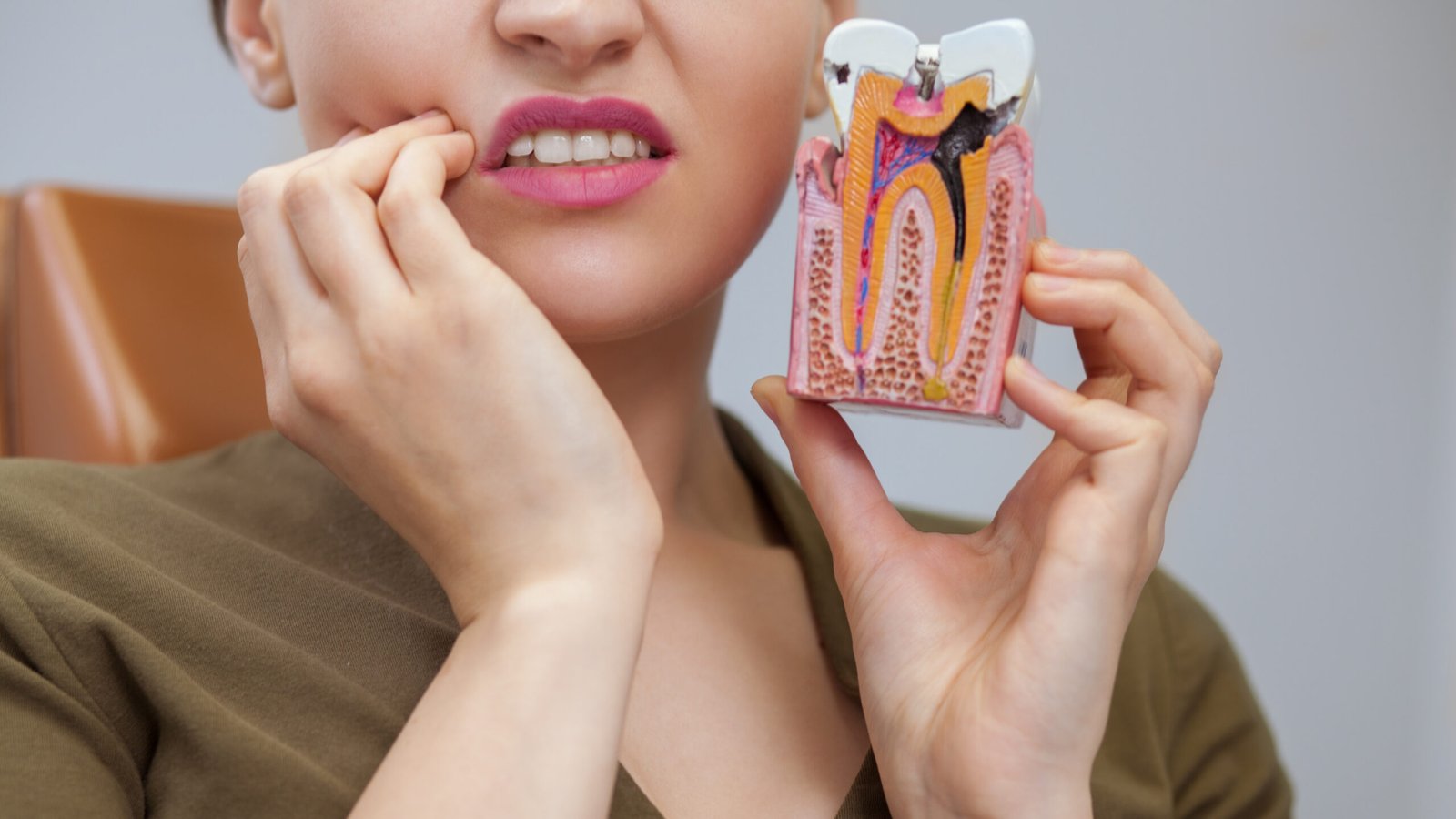
what is emergency dental treatment oral and dental health

Which Situations Really Require Emergency Dental Treatment?

Not every toothache necessarily falls into the “emergency” category; some conditions can be resolved with appointments scheduled within a few days. However, the following findings can be considered as conditions that may require urgent evaluation:

  • Severe and persistent toothache: Pain that wakes you up at night and cannot be fully controlled even with painkillers.
  • Swelling in the face and chin area: Significant swelling in the cheek, lip or lower jaw area due to dental infections.
  • Toothache with fever: It may be something to watch out for in terms of the spread of infection.
  • Tooth fracture after a fall, impact or trauma: Fractures, cracks or displacement, especially in the front teeth.
  • Dislocation of a tooth (avulsion): A permanent tooth completely erupts from its socket, especially in children or young adults.
  • Deep incisions in intraoral soft tissues: Injuries to the lips, tongue, inside the cheek or gums that may require stitches.
  • Prosthesis fractures: Sudden breakage of complete or partial dentures and severe impairment of chewing function.

Some of these symptoms may be associated with infectious processes that can affect not only oral and dental health but also general health. Especially if they are accompanied by symptoms such as difficulty breathing, difficulty swallowing, severe fever and generalized malaise, they may also need to be evaluated for general medical emergency criteria.

What Are Common Dental Emergencies?

Especially in fast-paced cities such as Istanbul and densely populated areas such as Bağcılar and Yüzyıl neighborhoods, the following dental emergencies may be common:

1. Toothache that starts or worsens at night

Often, deep decay, advanced pulp inflammation (affecting the nerve tissue of the tooth) or cracked teeth can cause pain that suddenly intensifies. Hot and cold sensitivity, throbbing pain and severe pain that wakes you up at night may require urgent evaluation of the tooth. In the first stage, the aim is to identify the source of the pain, to provide pain control and to plan for permanent treatments (e.g. root canal treatment, filling, extraction, etc.) to be applied later.

2. Tooth-Borne Swellings and Abscesses

Infection around the tooth root can spread to surrounding tissues over time and cause swelling in the cheek, lip or lower jaw area. In these cases, both pain and pressure sensation increase; in some cases, restricted mouth opening and fever may also be observed. Depending on the nature of the abscess, the physician may consider drainage, initial root canal treatment or other measures to control infection. If necessary, the physician may also provide guidance regarding the use of systemic antibiotics.

3. Post Traumatic Tooth Fractures and Displacements

Fractures, cracks or displacements can occur in both deciduous and permanent teeth as a result of domestic accidents, sports activities, falls or bumps. Different treatment options may be considered depending on the way the broken piece is stored, the evaluation of the root condition of the tooth and the age of the child. In such traumas, it is recommended to be evaluated by a dentist as soon as possible.

4. Complete Dislocation of the Tooth (Avulsion)

In some traumas, especially a permanent tooth may come out of its socket completely together with its root. This is called “avulsion” and requires urgent evaluation. It is important to store the tooth in clean conditions without rubbing the root surface and to contact the dentist as soon as possible. In the case of deciduous teeth, replacement is usually not attempted; the development of the underlying permanent tooth is taken into consideration.

5. Prosthesis Fractures and Sudden Incompatibilities

If a complete or partial denture breaks, cracks or deforms in a way that irritates the tissues in the mouth, it can have a negative impact on chewing function and speech. In such cases, temporary repair solutions or replanning may be necessary. The appropriate treatment depends on the condition of the prosthesis and the evaluation of the oral structures.

dental emergencies night pain trauma swelling

What Steps are Generally Followed During Emergency Dental Treatment?

Emergency dental treatment is often managed differently from planned treatments. The priority is to alleviate the patient's immediate complaint and prevent potentially life-threatening complications. The steps taken may vary depending on the type of complaint and the overall health of the patient, but the general framework is as follows:

1. Evaluation of the Story and Complaint

The duration of the pain, what increases or decreases it, previous treatments, accompanying symptoms such as fever, swelling, shortness of breath, dysphagia, difficulty swallowing and medications used are questioned. This information is valuable to understand the severity of the emergency.

2. Clinical Examination and, if necessary, Radiographic Examination

Teeth, gums, oral soft tissues, jaw movements and facial symmetry are evaluated. For dental complaints, periapical or panoramic x-rays may be ordered to visualize the root structure and surrounding bone tissue. In trauma cases, fracture lines and root status are particularly important.

3. Controlling Pain and Infection

Applications such as numbing the area with local anesthesia, interventions to reduce the pressure inside the tooth when necessary (for example, opening the root canal cavity), abscess drainage can be considered. The use of painkillers and antibiotics is planned by the physician, taking into account the patient's systemic condition. The patient's chronic diseases and current medications must be taken into consideration.

4. Temporary and Protective Measures

In some cases, intermediate steps can be taken before more extensive treatment, such as temporary fixation of the crown, trimming the sharp edges of the broken tooth surface, temporary filling, temporary repair work on the prosthesis. The aim is to alleviate the emergency and plan the appropriate time for future permanent treatment.

5. Creating the Next Treatment Plan

Once the emergency is under control, appointments for permanent treatment (such as root canal treatment, filling, extraction, prosthesis planning) of the tooth or the affected area are scheduled. Each patient's situation is evaluated individually in line with age, general health, treatability of the teeth and expectations.

What Can Be Done at Home in Dental Emergencies and What Should Be Avoided?

When an emergency occurs, some simple measures can help to alleviate some of the discomfort in the time leading up to the visit to the dentist, but these measures alone are not a substitute for treatment. At the same time, some common misapplications can worsen the situation.

General measures that can provide temporary relief (for information purposes):

  • Brushing gently so as not to irritate the affected area and trying to gently remove the food clog with dental floss
  • Mouth rinsing with warm water (not too hot or icy)
  • The use of previously prescribed and used painkillers in accordance with the instructions in accordance with the doctor's recommendation
  • If broken tooth surfaces irritate the lips or tongue, try to temporarily protect the area with cotton or a soft material

Common wrong practices to avoid:

  • Put aspirin, alcohol or similar substances directly on the aching tooth (this can burn the gums and surrounding tissues).
  • Consuming very hot or very cold foods when there is severe pain.
  • Attempting to spontaneously “inject” or force the tooth out.
  • Postponing the situation for a long time with only painkillers and delaying a professional examination.
  • Soaking the tooth or broken part in products such as disinfectant, cologne, alcohol after trauma.

It is important to remember that any home remedy can only provide temporary relief and is not a substitute for a medical examination. Especially when accompanied by symptoms such as severe swelling, fever, difficulty swallowing or breathing, it is not appropriate to delay the medical evaluation with painkillers alone.

what to do at home for emergency toothache

Dental Emergencies and Trauma in Children

Children are more vulnerable to falls and bumps while playing, running or playing sports. In areas with a dense population of children, such as Bağcılar Yüzyıl Mahallesi, dental emergencies of children can be seen frequently. The management of traumas occurring in deciduous and permanent teeth is different from each other.

Trauma to milk teeth:

Deciduous teeth can be shaken, broken or dislodged after an impact. Milk teeth that are completely dislodged are usually not placed back into the socket; a different approach is followed due to the risk of damaging the permanent tooth that will erupt from below. In any case, it is important that the dentist evaluates the child and the teeth.

Trauma to permanent teeth:

If the permanent tooth is completely dislodged, it is important to keep the tooth clean and properly stored in milk or physiologic serum, if possible, without touching the root surface, in order to allow a dentist to evaluate it in a short time. Broken fragments should also not be thrown away but stored in a clean container. The inside of the lip and cheek should also be checked for incisions after trauma.

After trauma in children, attention should be paid not only to the tooth but also to the jaw joint and surrounding soft tissues. In cases of inability to open the mouth, significant pain or asymmetry in the lower jaw, in addition to the evaluation of the dentist, cooperation with other medical branches may be considered if necessary.

Dental Emergencies in and around Bağcılar Yüzyıl Mahallesi

The daily rhythm of life, working hours and night shifts of individuals living in Bağcılar, one of the busiest districts of Istanbul, especially in and around the Yüzyıl neighborhood, may affect the time of dental visits. Toothaches are often postponed during the busy daytime, and when the complaints increase at night or become unbearable, the search for an urgent solution may begin.

Heavy consumption of tea, coffee, cigarettes, fast snacks and irregular diet can increase the incidence of tooth decay and gum disease. Regular dental check-ups allow for the recognition of potential problems and planned treatments before they occur. However, sometimes, when planned check-ups are disrupted, situations requiring emergency dental treatment may arise. Therefore, developing preventive oral care habits before an emergency arises can provide advantages in terms of both health and comfort in the long run.

Frequently Asked Questions About Emergency Dental Treatment

Is every toothache an emergency?

Not every toothache necessarily falls into the emergency category; however, if the pain is severe, wakes you up at night, does not go away despite painkillers, or is accompanied by symptoms such as swelling and fever, urgent evaluation may be required. Mild pain that comes and goes should not be neglected and its causes should be investigated with a scheduled examination appointment.

Is the tooth extracted immediately in emergency dental treatment?

The aim of emergency treatment is not always to extract the tooth. The priority is to control pain and infection. Whether the tooth should be extracted or not is evaluated by the dentist based on the root structure, bone support, fracture status, caries level and the overall treatment plan. One of the main approaches is to prefer preventive/repair treatments to keep the tooth in the mouth as long as possible.

What can I do at home for a toothache that starts at night?

Rinsing the mouth with warm water, gently cleaning the sensitive area, and taking painkillers previously recommended and used by the physician in accordance with the instructions may provide temporary relief. However, without investigating the cause of the pain, it is not appropriate to try to manage it for a long time with painkillers alone. Professional evaluation should not be delayed, especially if there is swelling, fever or deterioration in general condition.

Should I try to pull my tooth myself?

No. Attempting to extract the tooth spontaneously using home methods can lead to root fractures, spread of infection, uncontrolled bleeding and permanent damage to surrounding tissues. Tooth extraction is a procedure that should only be performed by a dentist under appropriate conditions and in a sterile environment.

Is it right to put aspirin on a sore tooth?

Putting substances such as aspirin, cologne or alcohol on the aching tooth or gums can cause a chemical burn to the soft tissues in the area and worsen the condition. Medications should only be used systemically, by mouth and only as prescribed by the doctor.

What should I do with a broken tooth fragment after trauma?

The broken tooth fragment should not be thrown away; it should be kept in a clean container, if possible in milk or clean water. It is important to handle the root part without rubbing it and without damaging the surface structure. Dentist evaluation as soon as possible may open different treatment options depending on the shape of the fracture.

Important Information: The explanations on this page are intended to provide general information about emergency dental treatment and oral and dental complaints that may be considered as emergencies. Since each individual's oral and dental structure, systemic diseases, medications and severity of complaints are different, diagnosis and treatment planning can only be made after examination by a dentist and, if necessary, evaluation of other branch physicians. The content has been prepared in accordance with the legislation in force regarding promotion and information activities in health services, without the purpose of advertising or directing to a specific health institution.

WhatsApp Search Now