

Tartar Removal (Detartraj)

Information Page for Bağcılar Yüzyıl Mahallesi and Surroundings

Dental calculus is a structure that occurs when bacterial plaque accumulated on the tooth surface hardens over time and can only be removed by professional cleaning. This page contains detailed information about the process of calculus formation, how scaling is performed, who may need it, what to consider after the procedure and frequently asked questions.

Note The content has been prepared solely for informational purposes in accordance with the current legislation on promotional and informational activities in health services; it does not constitute advertising, guidance or campaigns.

bagcilar yuzyil tooth stone cleaning information

What is Tartar?

Tartar is hard mineral deposits that can be seen in yellow, brown or gray color, formed by the hardening of bacterial plaque accumulated on the tooth surface and gingival margin over time. Plaque is a soft layer formed by the combination of saliva, bacteria and food residues. When it is not removed by regular and effective brushing, it hardens by combining with minerals such as calcium and phosphate in saliva and becomes a structure called “tartar” or “calculus”.

Tartar does not only appear between the teeth or at the back of the teeth; it can accumulate at the gum line, on the inside of the tooth and sometimes in the gum pocket. For this reason, a person may not always be able to see all the tartar when looking in the mirror. Especially in densely populated areas such as Bağcılar and Yüzyıl neighborhoods, tartar accumulation is known to be common due to intense work tempo and daily habits.

what is tartar bagcilar yuzyil

How Does Tartar Form? Step by Step Process

1. Plaque Formation

Minutes after consuming food, a transparent film starts to form on the teeth. This layer is called bacterial plaque. When plaque is not removed by proper brushing and flossing, it adheres tightly to the tooth surface.

2. Mineralization and Hardening

Plaque interacts with the minerals in saliva and hardens into tartar over time. This process varies from person to person, but can sometimes start within a few days. This hardened structure can now only be broken down and cleaned with professional devices.

3. Effects on the Gums

When tartar settles on the gum margin and in the gum pocket, bacteria build up in this area. Toxins produced by bacteria can irritate the gum tissue, causing inflammation and bleeding. If left untreated, this can lead to gum diseases such as gingivitis and advanced periodontitis.

Risk Factors Increasing Tartar Formation

  • Irregular or inadequate tooth brushing
  • Not flossing or using an interdental brush
  • Smoking and use of tobacco products
  • Frequent consumption of tea, coffee, acidic drinks
  • Dry mouth (may be due to medications, systemic diseases or not drinking enough water)
  • Crowding of teeth and cramped tooth alignment

In Bağcılar and Yüzyıl region, especially in individuals with a busy work schedule, tartar formation is more common when regular oral care is neglected. For this reason, regular dentist checks can make it easier to recognize the accumulation at an early stage.

What is Tartar Removal (Detartraj)?

Scaling is the process of removing hard tartar deposits that are firmly adhered to the tooth surface and gum line by the dentist using special instruments. This process is often referred to as “detartraj”. Scaling is not an aesthetic procedure alone; it is a basic oral and dental health procedure that helps to maintain gum health and control the existing problem.

Main Devices and Instruments Used

  • Ultrasonic devices: It has tips that break up and remove tartar with high-frequency vibrations.
  • Manual curette and scaler instruments: It is used to remove deposits, especially in thin areas, interfaces and gum pockets.
  • Polishing brushes and tires: It is applied at the end of cleaning to smooth the tooth surface and make plaque retention more difficult.

dental stone cleaning devices bagcilar

Evaluation and Procedure Steps Before Scaling

1. Intraoral Examination

The dentist assesses the general condition of the teeth and gums. The density of calculus accumulation, the presence of bleeding gums, how far the calculus has penetrated into the gum pocket, caries and old fillings are reviewed. If necessary, bone tissue and tooth roots are also evaluated by radiographic examination (X-ray).

2. Systemic Status and Drugs Used

Conditions such as blood thinners, systemic diseases (e.g. diabetes), pregnancy must be reported to the physician. This information is important for assessing possible risks during and after the procedure.

3. Implementation of Tartar Removal

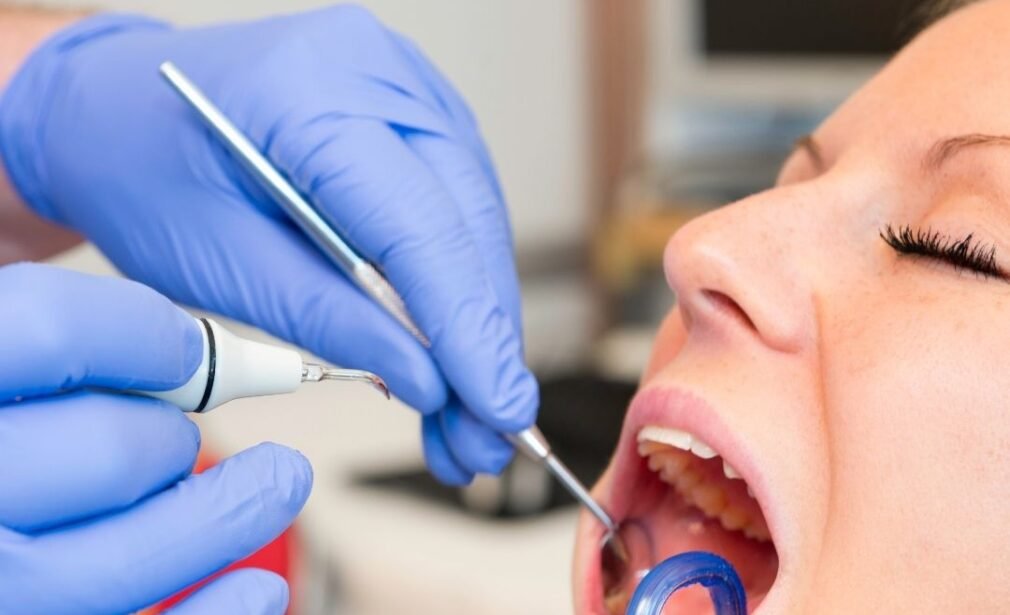
The tip of the ultrasonic device is brought into contact with the tooth surface at certain angles. Thanks to the vibrations, tartar accumulation is broken down and removed. Fine areas and interfaces are then detailed with manual instruments. The final step is polishing, which makes the surface smoother and makes it relatively difficult for new plaque to build up.

4. Processing Time

The duration may vary depending on the amount of calculus, gum condition and the cooperation of the person. While it can be completed in a short time in a single session for mild deposits, the session may need to be prolonged or divided into more than one session for heavy deposits or if accompanied by gum disease.

What does it feel like during scaling?

Scaling is usually a tolerable and short procedure. When using an ultrasonic device, there may be a feeling of vibration on the tooth surface and a feeling of coolness due to the water spray during the procedure. Individuals with sensitive gums may experience mild discomfort or sensitivity, especially in areas with dense calculus.

If necessary, the dentist may apply local anesthesia in sensitive areas to make the procedure more comfortable. This may be especially relevant for people with advanced gum disease and for intensive cleaning in areas close to the gums.

In modern dentistry, scaling is performed in a controlled manner so as not to damage the tooth surface. The aim is to remove only hard deposits and protect the tooth and gum tissue.

Things to Consider After Scaling

After scaling, the tooth and gum surfaces may be more sensitive for a while. Temporary sensitivity may be felt especially to cold, hot or acidic drinks. This is usually short-lived and decreases over time.

  • Coloring foods: In the first 24 hours after the procedure, it may be helpful to limit the consumption of tea, coffee, dark drinks and foods containing intense dyes.
  • Smoking: Since it is known to have a negative effect on gum health, it is recommended to reduce smoking, especially in the post-procedure period.
  • Brushing habits: It is important to continue brushing at least twice a day with the appropriate technique, as recommended by the dentist.
  • Dental floss / interdental brush: It plays a key role in removing plaque accumulated between teeth.
  • Control appointments: Coming for check-ups at intervals deemed appropriate by the dentist can help to detect new calculus formation early.

Daily Habits to Help Reduce Tartar Formation

Tartar is not a condition that can be completely eliminated; however, the rate and amount of formation can be reduced with proper oral care habits. For individuals living in and around Bağcılar Yüzyıl neighborhood, the following are practical suggestions that can be applied despite the busy pace of life:

  • Brushing your teeth with fluoridated toothpaste at least twice a day
  • Flossing or brushing every day
  • Limiting sugary and sticky snacks
  • Paying attention to the main meal pattern instead of snacking frequently throughout the day
  • Supporting saliva flow with adequate water consumption
  • Avoiding smoking and tobacco products

What Can Happen Without Regular Scaling?

Over time, tartar can become more than just an aesthetic problem and can have a deeper effect on the gums and surrounding tissues. Accumulated tartar creates a favorable environment for bacteria and in the long term, the following consequences can occur:

  • Gingivitis (gingivitis)
  • Gum recession
  • Increased sensitivity of the teeth
  • Loosening of teeth and risk of tooth loss in advanced cases
  • Bad breath and bad taste in the mouth

For this reason, scaling is considered as a preventive application that supports gum health as part of the dental examination. The dentist determines the appropriate time interval in line with the needs of the person, oral structure and existing diseases.

Frequently Asked Questions About Tartar Removal

Is scaling painful?

For most people, the procedure is tolerable and there is no significant pain. People with sensitive gums may experience mild discomfort, especially in areas with dense tartar. Local anesthesia can be applied if necessary.

Does scaling damage teeth?

When performed with the appropriate technique, scaling is a procedure that protects the tooth surface. The aim is to remove only the tartar and preserve the natural structure of the tooth.

How often should scaling be performed?

The general recommendation is to visit the dentist at least once a year. However, since calculus formation is individualized, some individuals may need to be checked every 6 months and in some cases at shorter intervals. Your dentist will determine the appropriate frequency.

Can calculus pass by itself at home?

It is not possible to safely remove hardened tartar at home with a toothbrush, toothpick or similar tools. Such attempts may even damage the gums and tooth surface. For this reason, tartar removal is considered a professional procedure.

Do my teeth accumulate tartar more quickly after scaling?

Smoothing the tooth surface after cleaning is actually intended to make plaque retention more difficult. However, if factors such as smoking, eating habits and inadequate oral care persist, calculus can still form. The important thing is to maintain regular care and control.

Can scaling be performed during pregnancy?

Gum sensitivity may increase during pregnancy. The necessity and timing of scaling is decided by the joint assessment of the dentist and the attending physician. As with any medical decision, the individual situation is important in this process.

Is sensitivity normal after scaling?

Some individuals may experience short-term sensitivity after the procedure, especially in areas with gum recession or enamel erosion. It usually subsides within a few days. In case of prolonged or increased sensitivity, a dentist's opinion should be sought.

Important Information: The texts on this page have been prepared for general information about calculus formation and scaling. Diagnosis and treatment applications should be evaluated by the dentist according to the oral and dental health status of the individual. The content has been organized in accordance with the legislation in force regarding health promotion and information activities, without the purpose of advertisement or guidance.

WhatsApp Search Now